By Corey Sandler
Another year done a full go-round, to paraphrase a great song by Jorma Kaukonen.
Farewell to 2025; some joyful moments along with more than a few which will not be missed.
Here in New England and in other far north parts, winter days sometimes seem as if they are drawn in black and white. Late sunrise, early sunset, and just a bit of brightness in between. I think that helps shape the flinty demeanor of those of us who live here.
We have managed to survive 2025, somehow. Onward…
A long, long, long time ago I was captured by photography. (From the Greek: drawing with light.)
Back in the day, most of us would shoot photos using a decidedly un-automatic camera: pick a film and hope it meets the needs of every lighting situation, select a lens aperture that suits the subject, take (or guess) at the right shutter speed, and when all was done send off those rolls of film to a lab and hope that the results were art.
There was always a sense of mystery made worse by the delay of a few days or a few weeks between taking a photo and seeing the results. Had I captured a good image, could the lab produce a decent print, and what would I do if my subject had her eyes closed, or if a tree seemed to sprout out of the top of someone’s head?
As my photographic eye developed, I began to learn how to process film and make prints in a basement darkroom. It was a lot of work, but it reduced the wait to a mere matter of hours.
By the time I had my first job at a newspaper, a new wrinkle: although we had photographers on staff, many of us also carried a camera and learned how to tuck our reporter’s notebook under one arm and grab a picture. The newspaper kept the darkroom at the ready as we approached deadline and more than a few times I tossed a roll of film to the photo editor as I dashed across the newsroom to my typewriter.
It was an adrenaline rush to bang out a breaking news story and receive a stack of barely-dry photos and watch them come together on the front page.
Imagine: by the 1960s and 1970s, readers were seeing words and pictures that were no more than three or four hours old.
Yeah, I know what you’re thinking. Today the news feed on your smartphone or cable channel is essentially instantaneous: live video and audio from nearly anywhere on the planet. We are all living at the speed of light.
I guess that’s mostly good news. Although I could–and do–argue that the much slower pace of older technology allowed for things like fact-checking, context, and the application of news judgment.
Today things seem so black and white, although in truth everything is in shades of gray. Someday I hope to see the door open and everything return to glorious Technicolor. Without witches and gaseous wizards.
Okay, so as I step down from my soap box, I wanted to share some old-school photos. Today’s reverie is about the extraordinary power of black-and-white photography.
Full disclosure here: the photos in this month’s blog were all taken using a modern digital camera and the original files consist of color imagery.
But converting those images to a nuanced gray scale sometimes allows us to see things more clearly. That may be why most of us seem to dream in black and white most of the time.
Here are some of my dreamscapes from around the world.
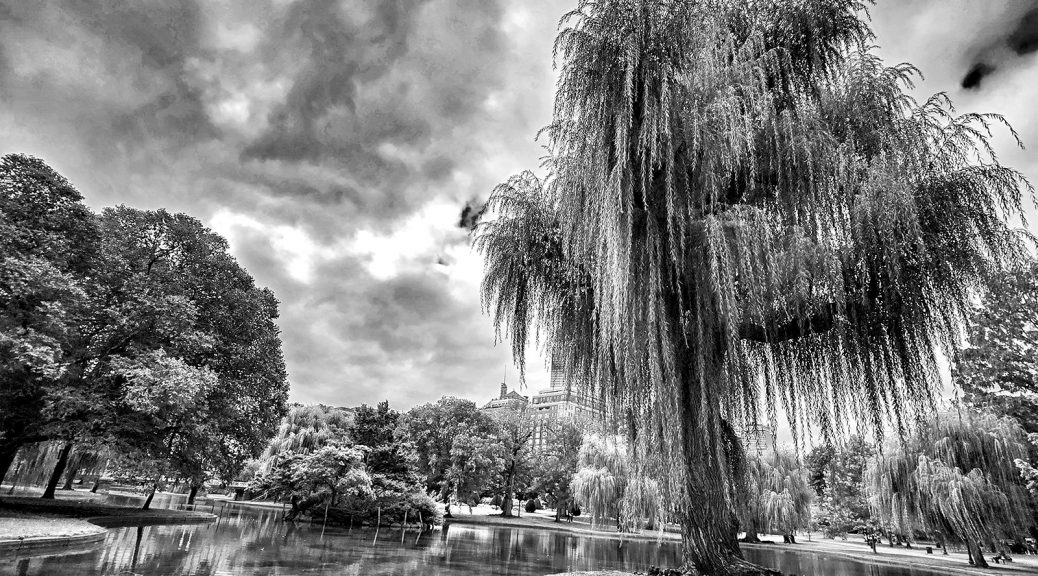
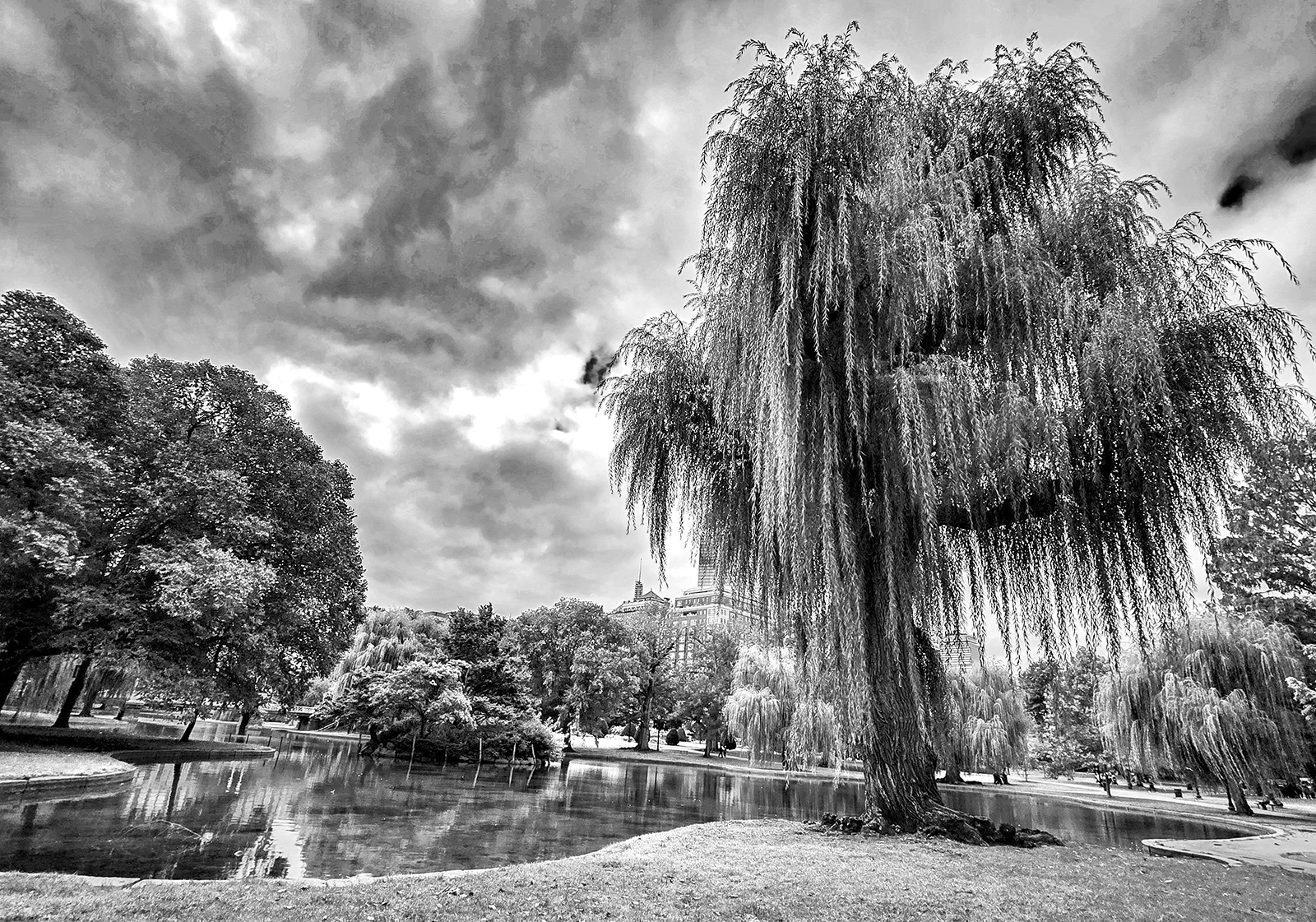
Boston’s Garden
The Côte d’Azur

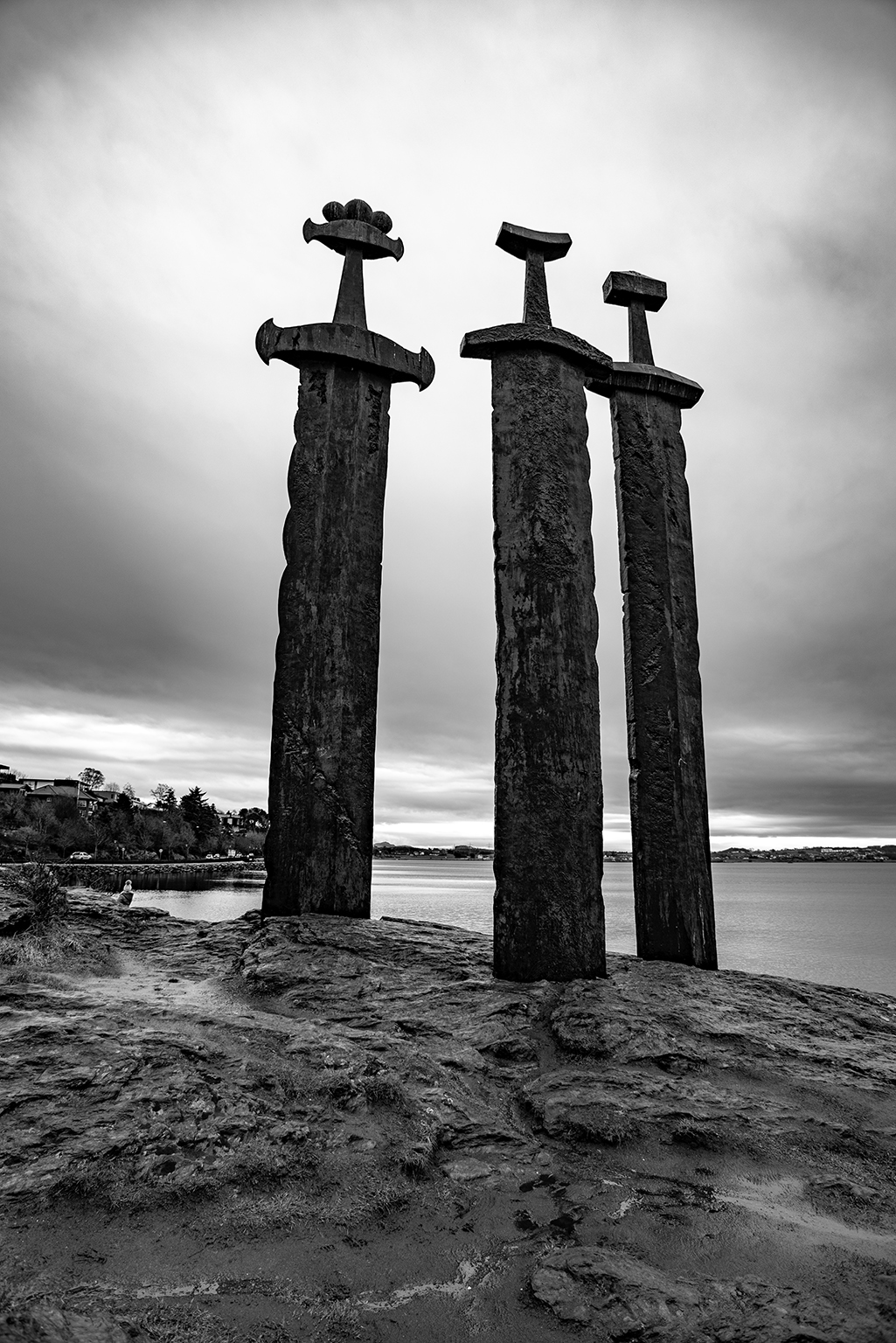
Three Swords in Rock
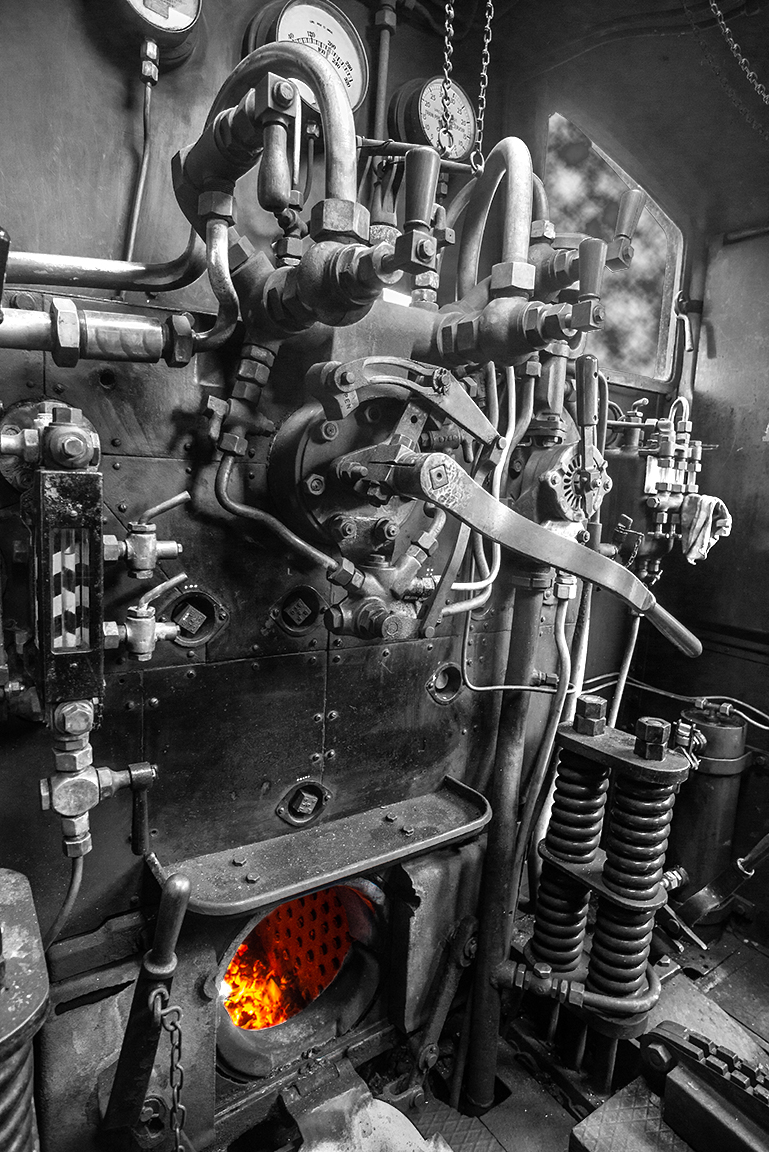
Fire Down Below
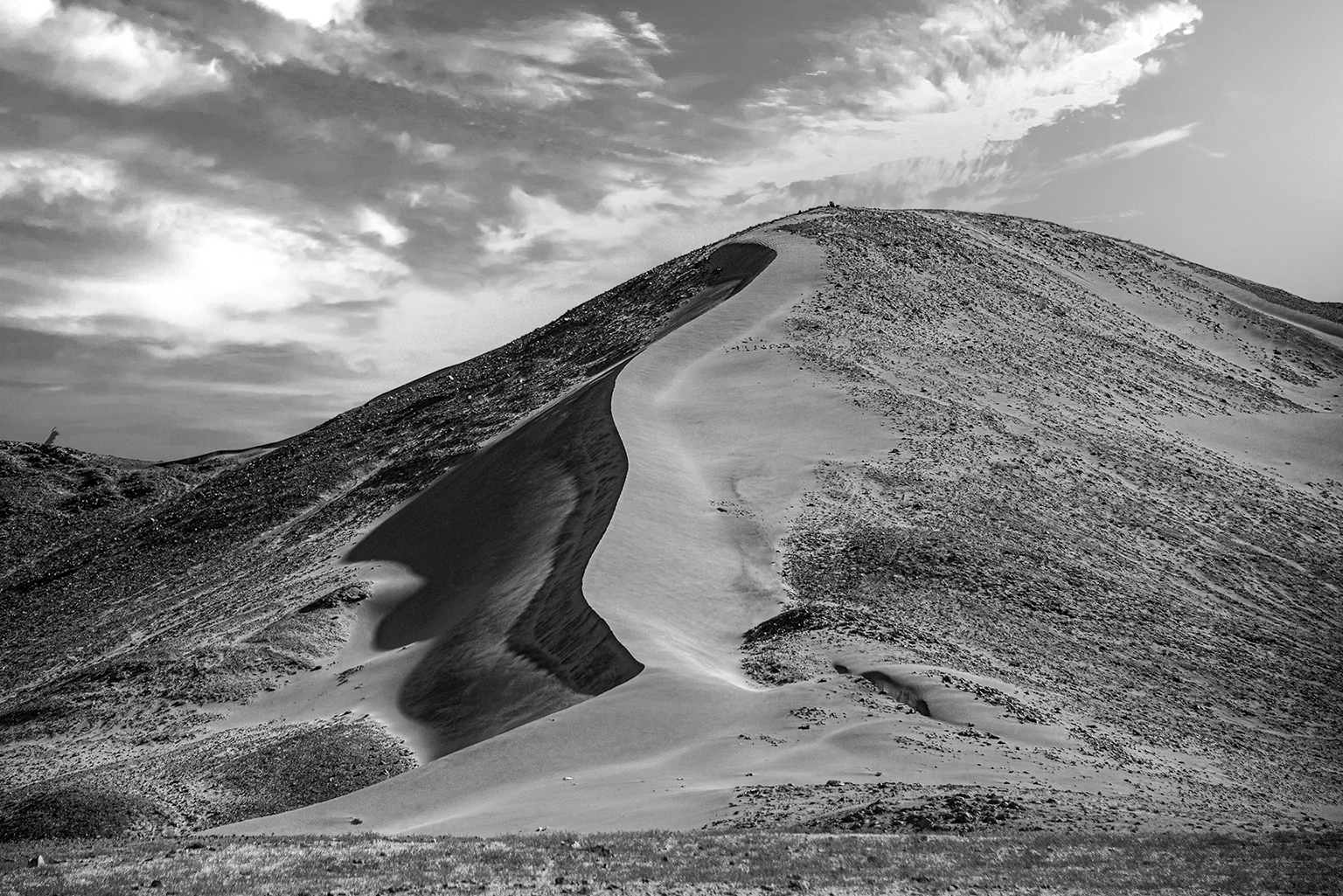
Sculpted by the Wind
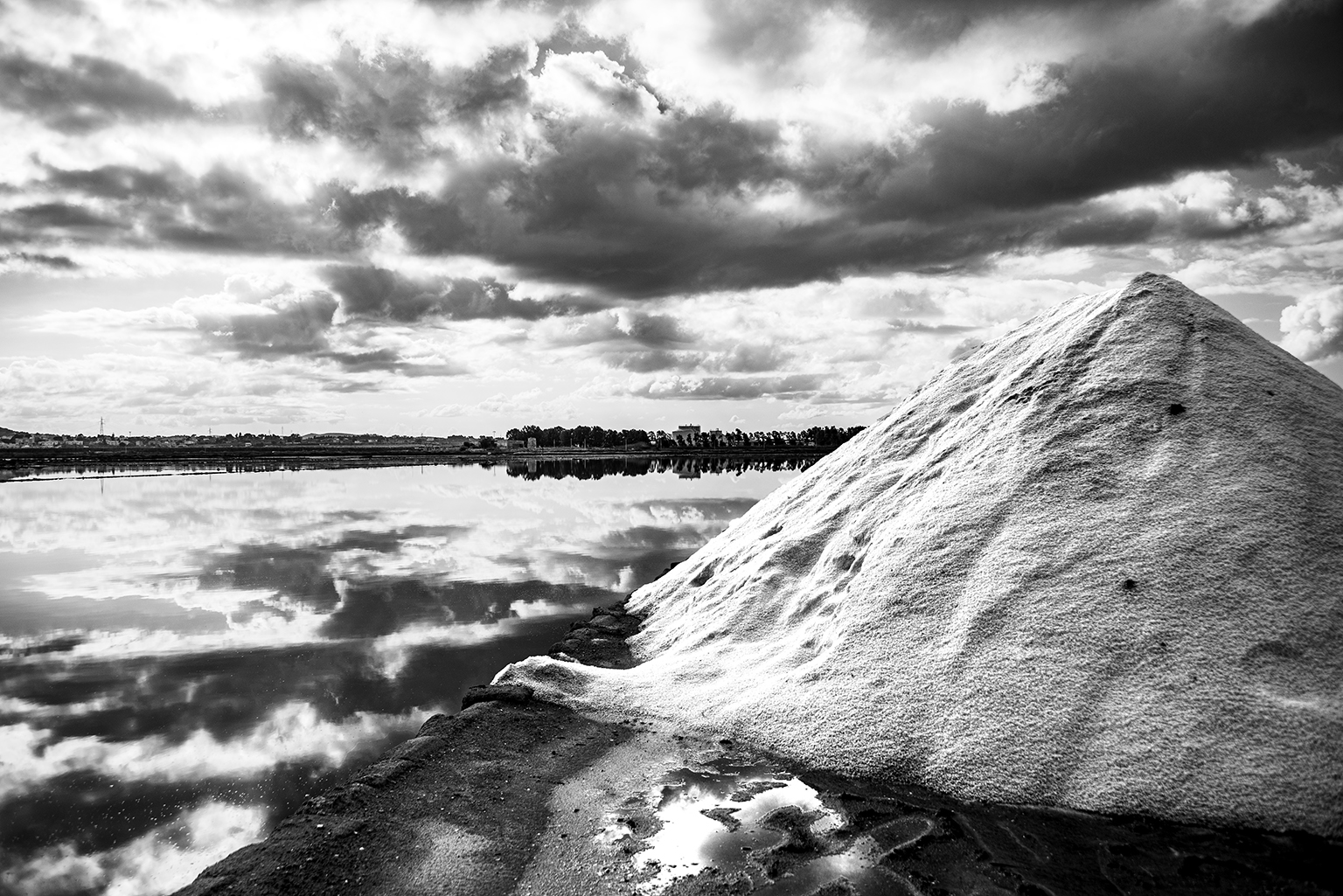
Salting the Earth
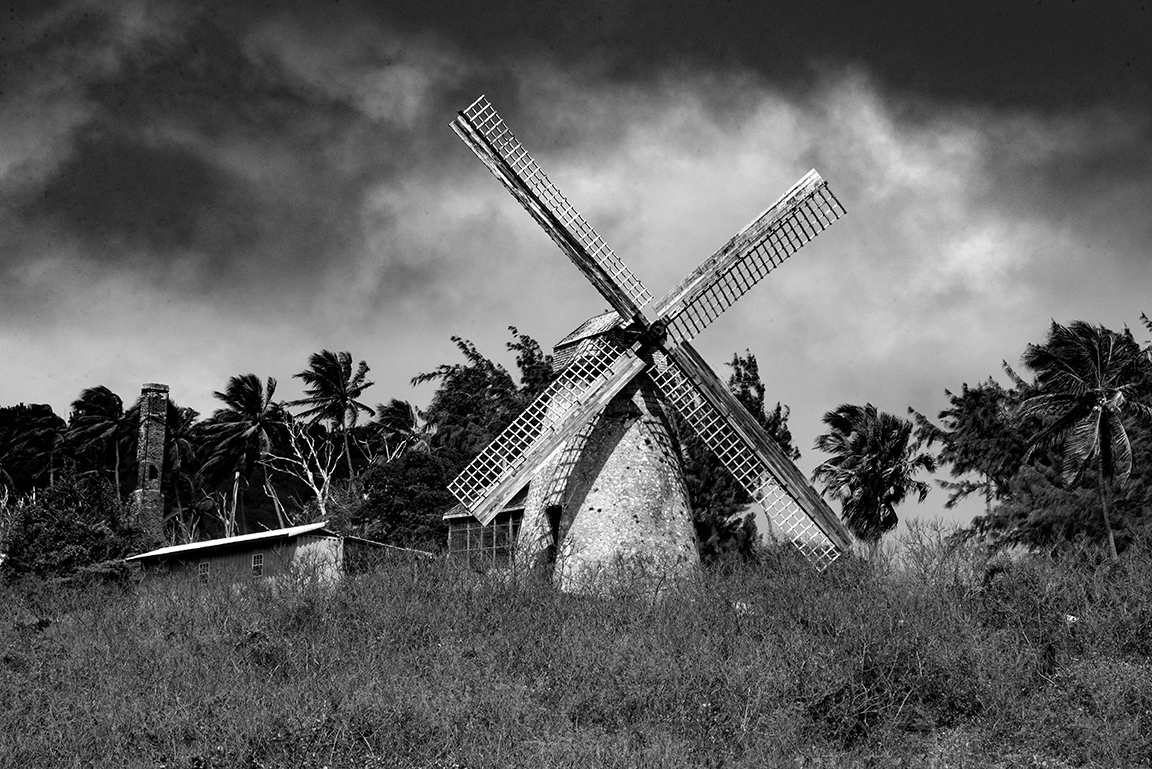
Raising Cane
All text and photos are by Corey Sandler, all rights reserved. Copyright 2026. If you want to obtain a copy of one of my photographs for personal or commercial use, please contact me using the link on this page.
If you’d like to order a copy of my book, “Henry Hudson Dreams and Obsession” you can obtain a Kindle or PDF version by clicking here: HENRY HUDSON DREAMS AND OBSESSION
Or if you would prefer to purchase a printed book in hardcover or paperback (personally autographed if you’d like) please send me an email for details. Click here to contact me.