
By Corey Sandler
Our thalassic tour of Norway and the Baltic was calm and peaceful, much to our satisfaction. It has not always been thus.
Every country we visited: Norway, the Netherlands, Denmark, Estonia, Poland, and Germany had been ravaged by fighting and bombing during World War II. (Only Sweden, officially neutral during the war, escaped serious consequences.)
In the days leading up to World War II, the Soviets and Nazi Germany struck a cynical deal, the Molotov-Ribbentrop Pact that allowed both sides to grab territory in Eastern Europe and held off direct fighting between the two powers. Russia came into the Baltic States and parts of Poland and Romania.
In 1941, Germany attacked the Soviet Union and those two countries and most of the Baltic nations saw some of the fiercest fighting of the war, with atrocities by both sides. The end of the war in 1945 brought a fraught peace, a tension still palpable in many parts today.
The Hotspots of the Cold War
After the end of World War II, the Soviets held suzerainty or actual control over occupied nations in this region including Estonia, Latvia, Lithuania, Poland, and East Germany. Further inland they also controlled Byelorussia (Belarus), Ukraine, Moldova, Czechoslovakia, Hungary, Romania, Bulgaria, and Albania.
The principal adversaries were the Soviet Union and the United States, but much of the tension was in places like the Baltic, populated by countries on the front line between the NATO alliance and the Soviet-backed Warsaw Pact nations.
The Cold War, it seemed at the time, ended in 1991 with the dissolution of the Soviet Union. That judgment incorporated a great deal of wishful thinking.
Poland: Still Rebuilding
Today, Poland has two significant areas of concern: to the east and southeast is Ukraine, under attack by Russia for the past four years.
Poland has provided military and economic support to Ukraine from the start of the war, and it is also one of the primary means of access for supplies into the region. And Poland has also accepted about one million refugees from Ukraine.
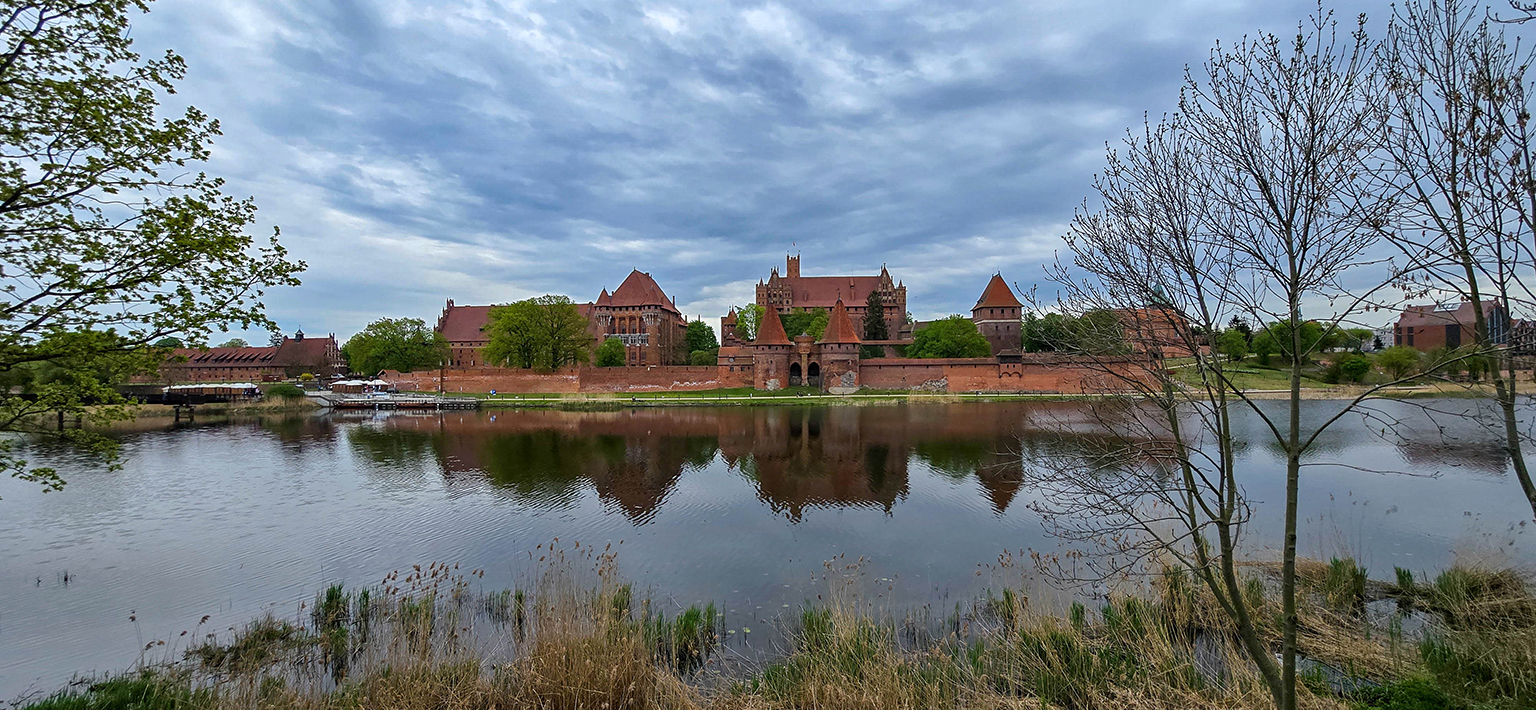
There are parts of Poland that are still rebuilding from World War II. One place is the Castle of the Teutonic Order in Malbork, outside of Gdansk. It was built in the 13th and 14th century and was still standing at the outbreak of war.
Used by the Germans during the war, more than half of the castle was severely damaged in fighting against the Soviet Union in 1945.
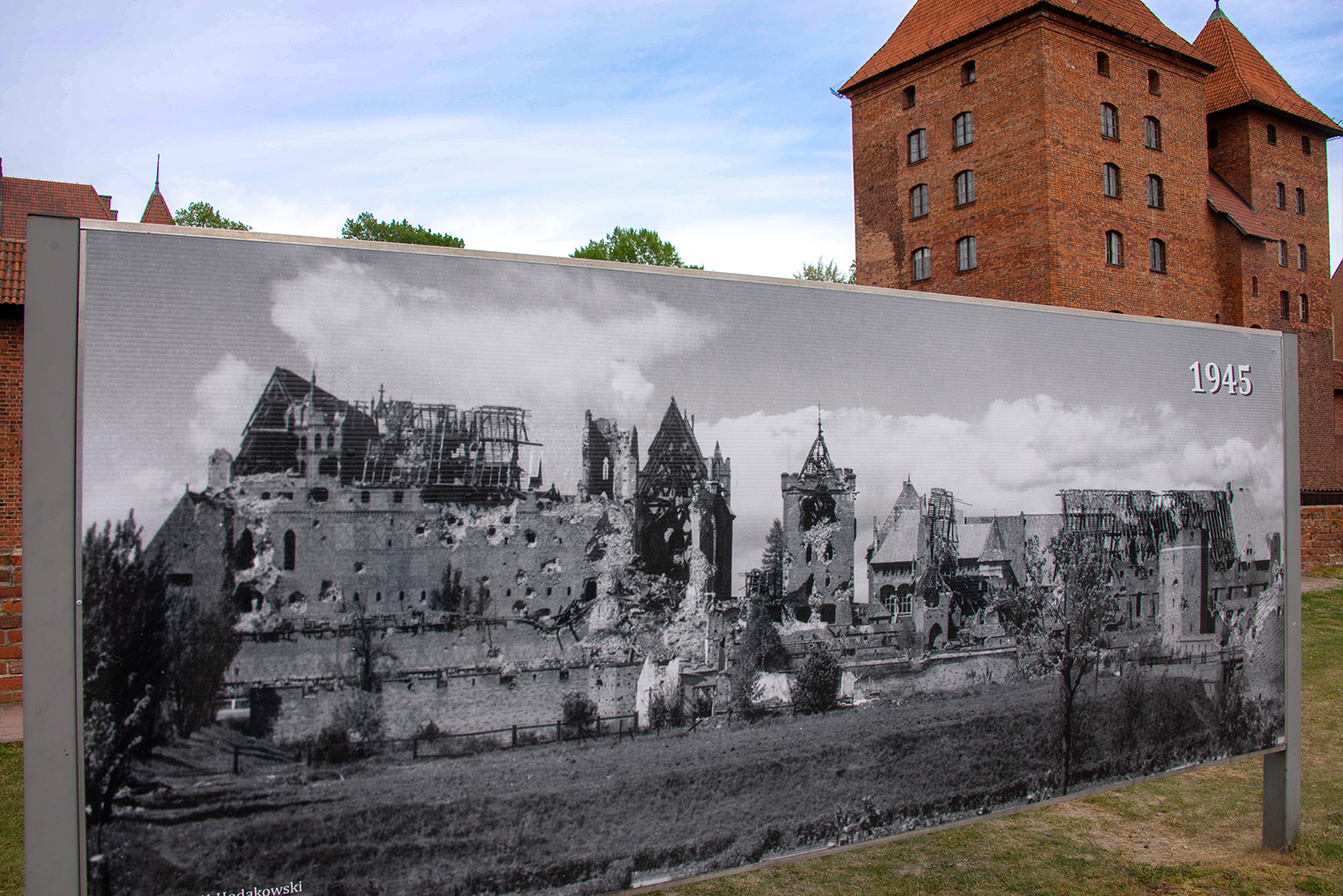
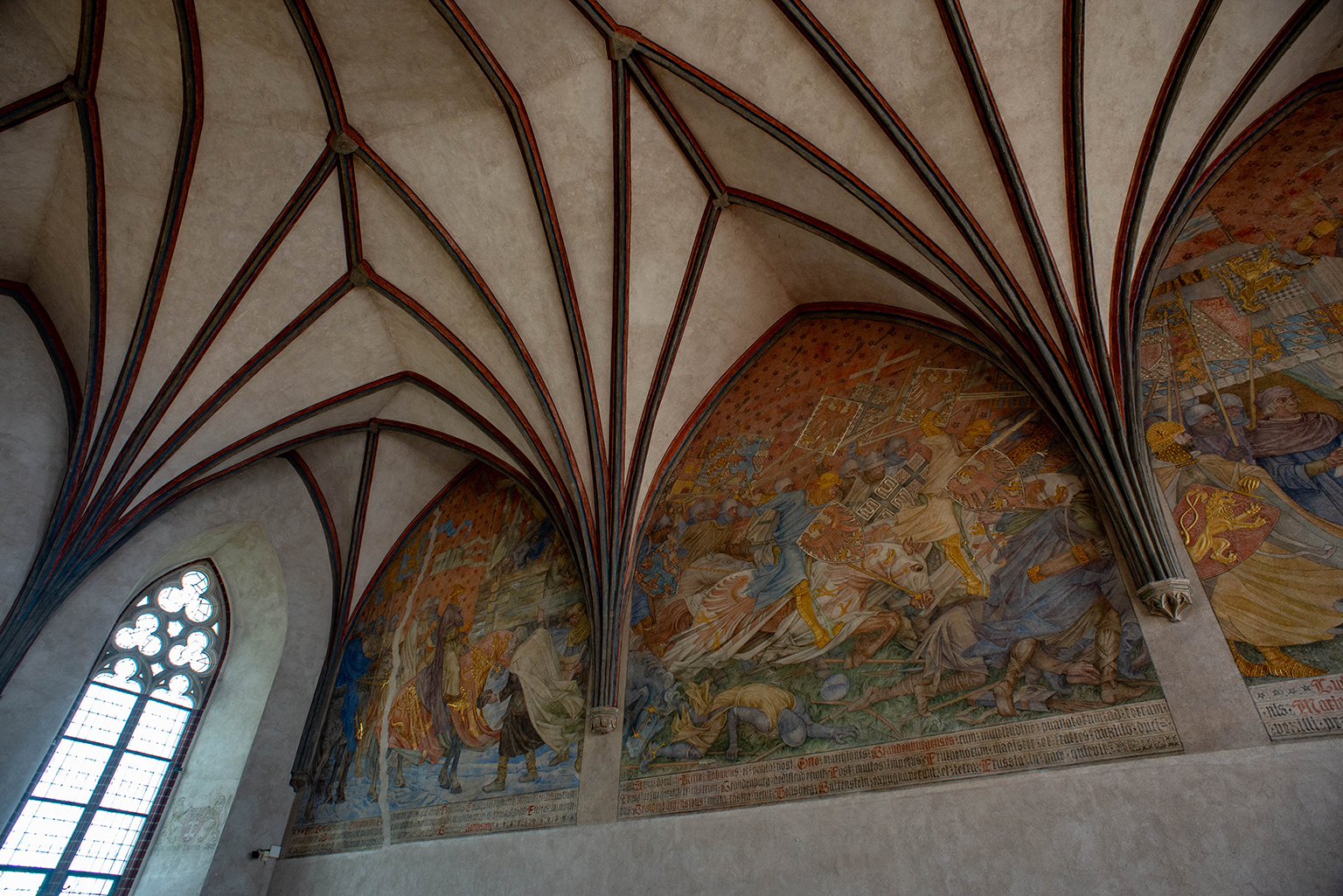
When I visited in May 2026, work was still underway on restoration of the castle. Several sections had just recently been opened to the public.
In addition to watching (and assisting) Russian-besieged Ukraine, they keep a close eye on another neighbor.
Along Poland’s northern border is the somewhat obscure Russian exclave of Kaliningrad, captured by the Soviets in 1945, and still held.
Kaliningrad is essentially a landlocked island of Russia, between Poland and Lithuania on the Baltic Sea. It was for centuries part of Prussia and then Germany, with its capital at Köningsberg.
Nearly 500,000 Russian citizens live there; travel to anywhere other than Russia is very difficult. At the same time, Kaliningrad is rarely visited by outsiders.
The territory includes a highly secretive heavily militarized zone used by Russia’s Baltic Fleet, with a significant installation of long- and medium-range surface-to-air missile systems, fighter aircraft, and all sorts of radar and intelligence-gathering equipment.
Kaliningrad is not often front of mind in global politics, although I am of the opinion that it could one day be another dangerous hotspot.
If Russia was to expand its military operations in the region, Kaliningrad sits on the front doorstep of NATO.
Nerves on Edge in Estonia
And then there is Estonia, which has a 200-mile border with mainland Russia to its east. That point is also (along with Finland) one of NATO’s and the European Union’s external frontiers with the Russian motherland.
Tallinn, among the best restored medieval cities of Northern Europe, is the capital and largest city of Estonia. It is made up of three parts: the Old Town perches atop Toompea hill with ornate churches, the parliament, and winding cobblestoned streets that open onto sunlit plazas.
At the base of Toompea is the lower town, not quite as monumental but still a worthy exercise without need of climbing the hill.
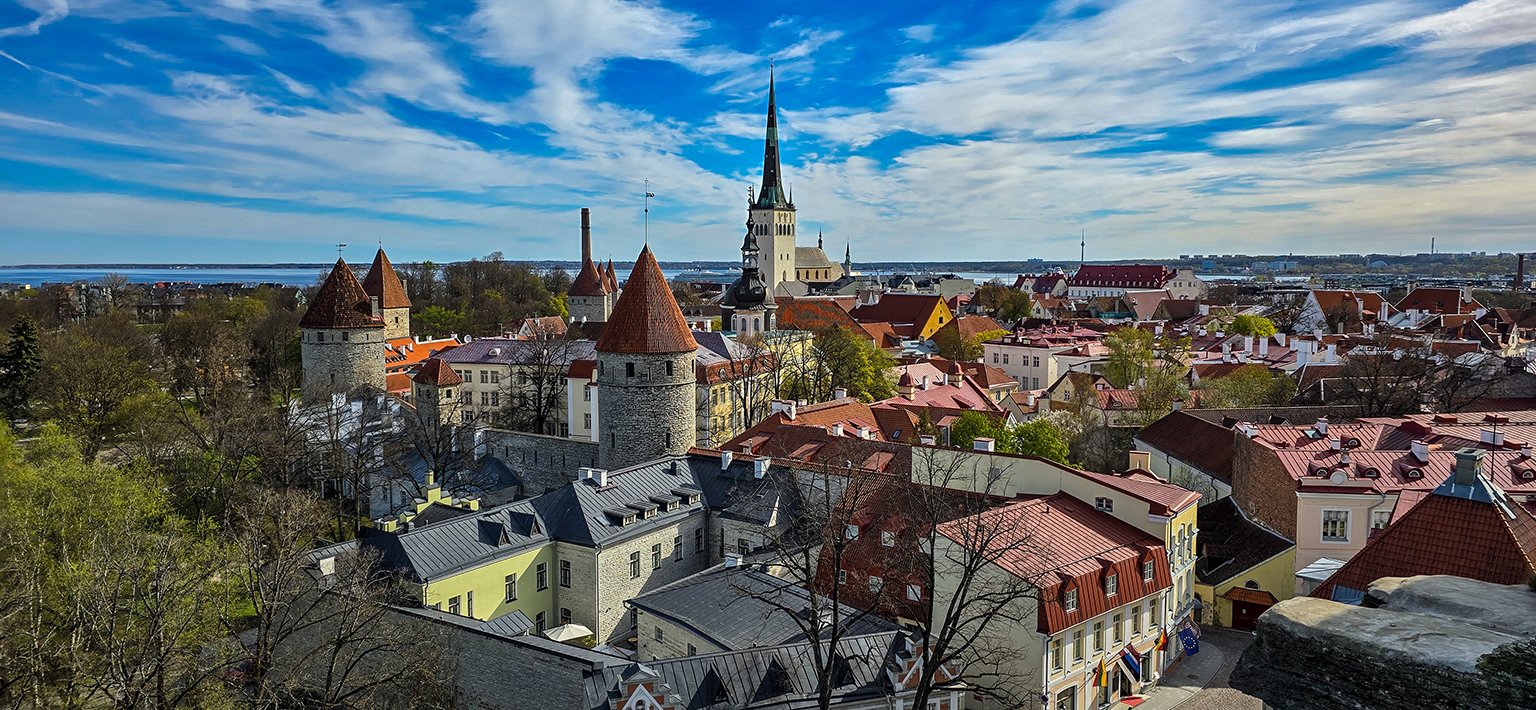
And then there is the modern city, which sprawls to the south. It includes Kadriorg, built by Russia’s Peter the Great after his country’s successful 1710 siege of Reval, the old name for Tallinn. He modestly named the palace after his wife Catherline. The czar and czarina visited the uncompleted place several times but Peter died before it was completed.
Tallinn’s modern section looks like a modern Scandinavian city, with tall apartments and offices and evidence of relative wealth. Much of Estonia’s contemporary economy is based on very modern industry, a relic of postwar years when the Soviet Union chose to develop information technology industry there.
In recent decades—after independence from the collapsing Soviet Union—Estonia was responsible for things like Skype, online gambling platforms, and cybersecurity systems. Every citizen has a digital ID card for services, health care, and voting. In some circles, the country is referred to as e-Estonia.
One of the landmarks of Estonia is the 1,030-foot-tall Tallinn TV Tower, built by the Soviet Union and opened in 1980. Its original stated purpose was to provide telecommunications facilities for the 1980 Moscow Summer Olympics sailing regatta; that competition was held in Tallinn.
It was not much loved by ethnic Estonians living under the thumb of Soviet troops and an imposed government.
In 1991, as Estonia began to break away from the crumbing Soviet Union, the tower became the site of conflict. Locals organized marches, they took over a Soviet-era amphitheater and conducted subversive rallies that changed planned concerts into patriotic songfests, and they seized much of the print and electronic communication facilities.
A handful of radio operators, working way up high in the TV tower, blocked Soviet troops by sticking a matchbox in the mechanism of the elevator there. To prevent the troops from climbing 1,000 steps to the top, they prepared to trigger an oxygen-removing firefighting system.
The so-called Singing Revolution spread to Lithuania and Latvia and all three nations won their independence in September 1991.
Today, Estonia nervously watches the Russian war against Ukraine and provocations at other neighbors.
On my most recent visit, I walked out to visit Kadriorg (Catherine’s Valley). Then, on my way back to the ship I passed by the Ukrainian Embassy where I found a billboard advertising a fundraising campaign to build unmanned ground robots to fight modern Russian invaders.

Bunker Mentality in Denmark
In many ways, it was the small country of Denmark—about the size of the American states of Massachusetts and New Hampshire combined, or slightly larger than Switzerland—that was one of the critical pieces of real estate on the front lines of the Cold War.
Denmark had suffered badly under German occupation during World War II and was also realistically concerned about the growing threat from the Soviet Union. It became a founding member of NATO in 1949.

Places that had been occupied and ravaged during World War II, having emerged from liberation and undergone reconstruction, then found themselves considering what might happen next.
The Cold War stopped just short of active military engagements, with the new threat of nuclear weapons hanging overhead.
For the Soviet Union and then Russia, in order to get from Saint Petersburg and Kaliningrad to the Baltic to the North Sea and beyond, vessels had to pass through the narrow strait between Denmark’s Jutland Peninsula and southwestern Sweden.
Denmark was considered the “cork” of the Baltic.
In the 1960s and early 1970s, NATO advised its members to prepare hardened shelters to protect against nuclear war with the Soviet Union.
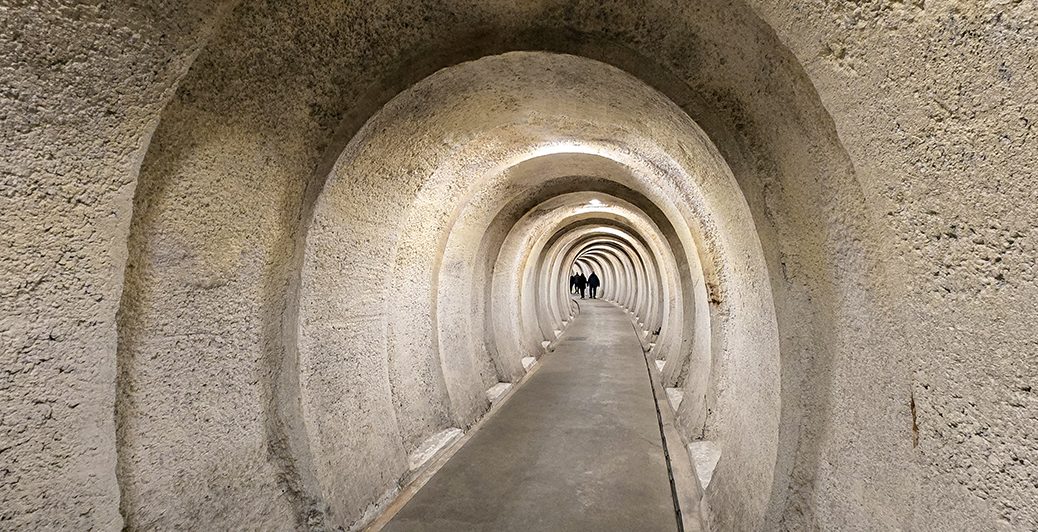
In Denmark, one such installation was REGAN Vest, hidden nearly 200 feet under a chalk hill in Jutland.
The first part of the name has nothing to do with the former American president whose name also included an additional “A”.
This extraordinary structure bears a very prosaic label: REGAN is a concatenation of “REGeringsANlæg”, which in Danish means “Government Facility.” Vest means “West.”
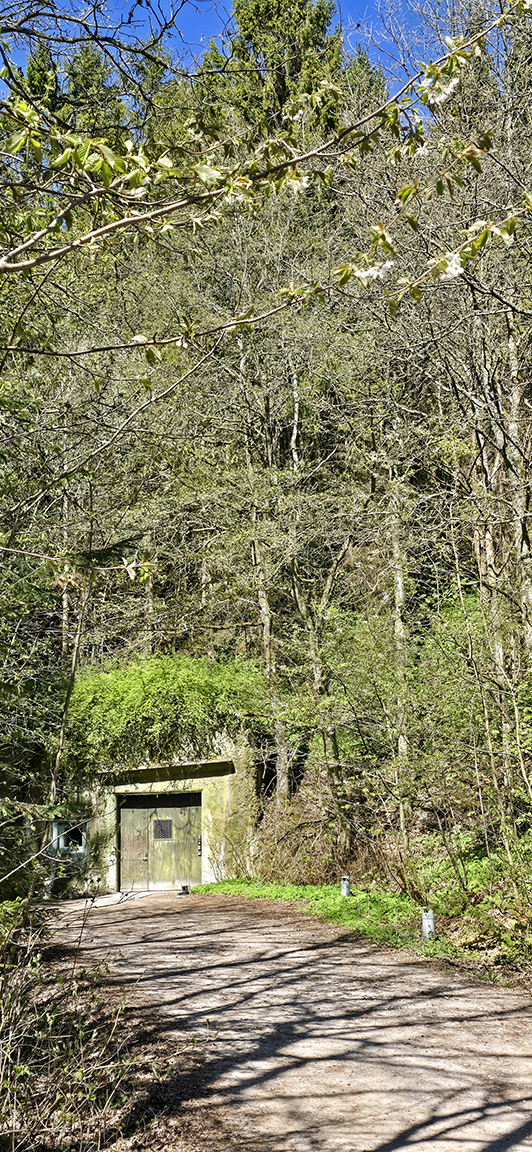
It was built in secret and at great expense, intended to house the government, select civil servants, and the sovereign. There was space for about 350 people; that is less than one-hundredth of a percent of the country’s then-population of about 4.5 million.
Those with access were told to come alone, leaving their families behind. The sovereign—Queen Margarethe II after 1972—could bring a family member and a servant to live in a windowless room carved into the rock.
It was never expected that the bunker could serve to preserve human life for decades; that is mostly the stuff of science fiction books and movies. It was prepared as a somewhat-safe command center for a few weeks in the hopes that this time around, Denmark would be far from the front line. That theory, thankfully, was never tested.
The bunker, carved deep into the side of a hill in Rold Forest, was maintained in a state of readiness until 2012. It remains frozen in time.
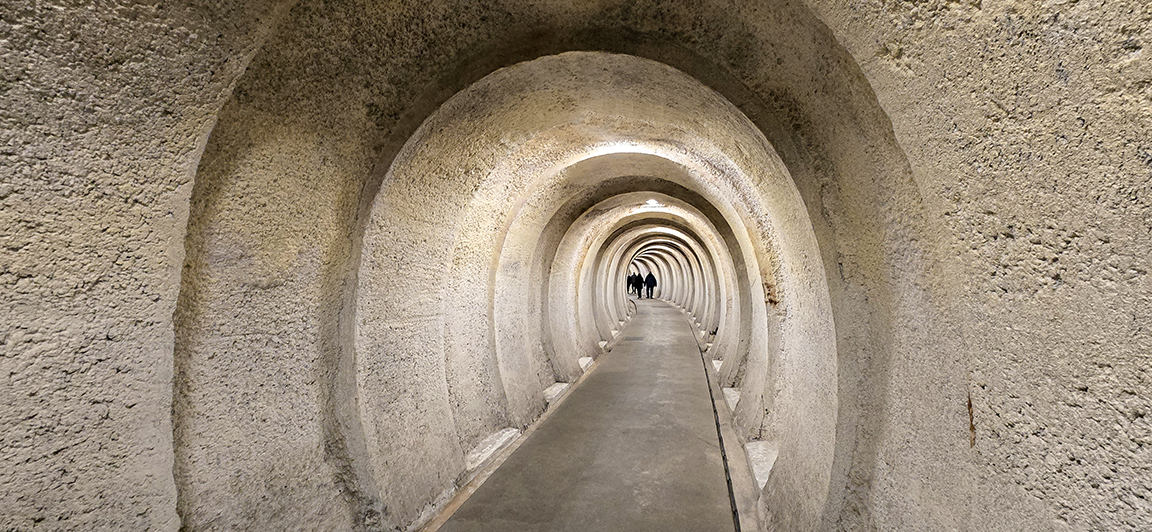
The complex included two levels of rings within rings, intended to shield from a nuclear blast; hidden pipes and filters were intended to provide a bit of fresh, non-radioactive air.
The small city within includes simple dormitories, kitchens, dining rooms, and communication equipment.
It has been a long time since I was last in the presence of workable IBM Selectric typewriters with magic ball printheads, fax machines, and a VHS videocassette machine with a small library of highly curated movies.
During the Cold War, Denmark did not allow permanent bases of foreign troops, and it officially banned nuclear weapons on its soil. We know now that the Danish Air Force was trained to use American nuclear weapons stored just south of the border in West Germany.
I mentioned that NATO encouraged construction of this sort of bunker for all of its members. In the United States, the biggest known equivalent was “Project Greek Island” secretly constructed beginning in 1959 beneath the sprawling Greenbrier Hotel in West Virginia.
This was a massive undertaking, large enough to hold the entire U.S Congress and Senate, the President and staff, the military command, and what were deemed to be essential civilian agencies.
The bunker at the Greenbrier was shut in 1992, after its not-quite top secret existence became fully public in newspaper reports.
Berlin, Germany
When we visited the German port of Warnemünde—in what had been Soviet-controlled East Germany after the war—we took the train 125 miles southwest to Berlin.
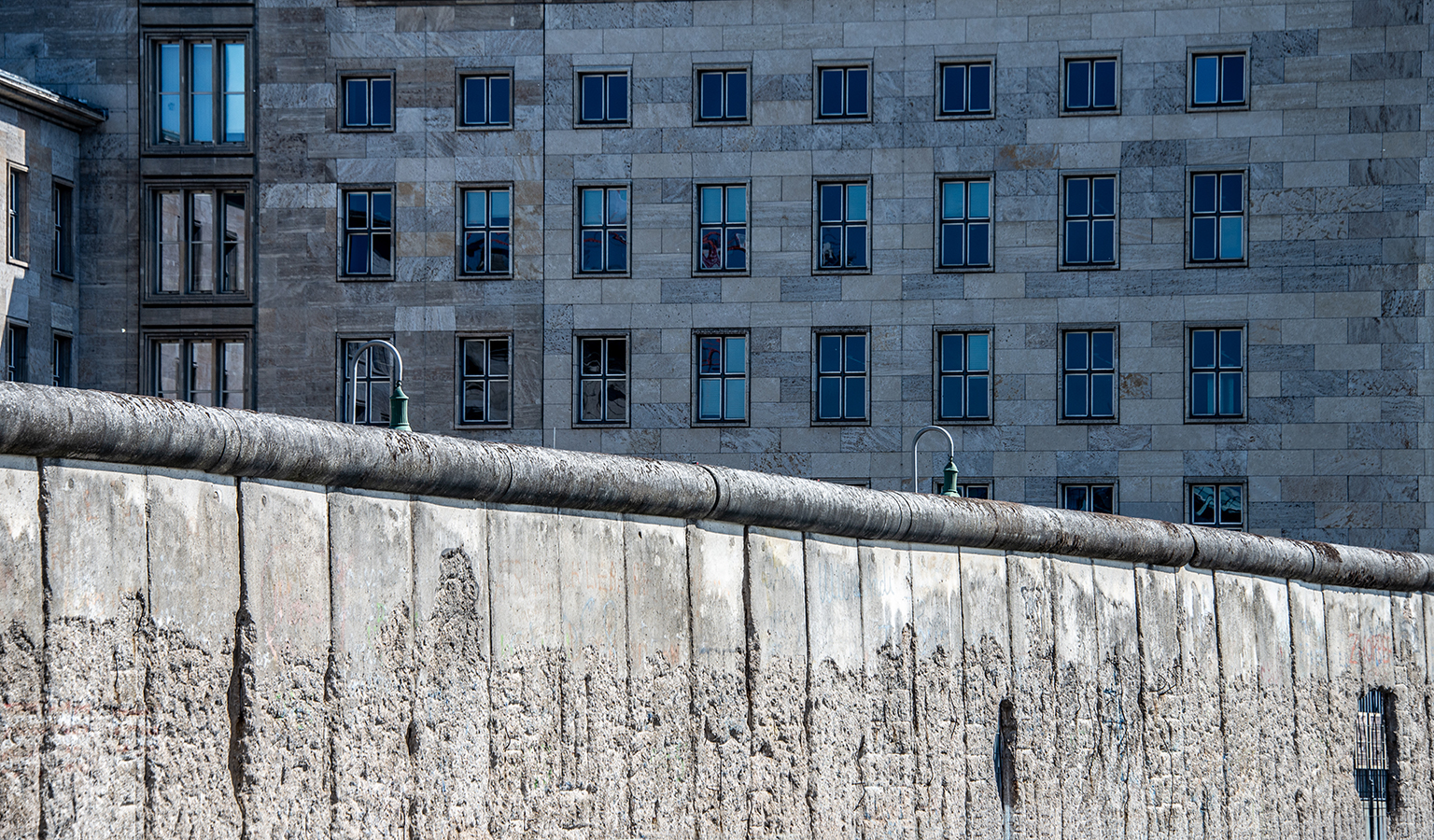
Today that city is a bustling metropolis, but it does not take much exploration to find remnants of wartime. The Brandenburg Gate is rebuilt, as is the Reichstag. And remnants of the ugly Berlin Wall still stand.
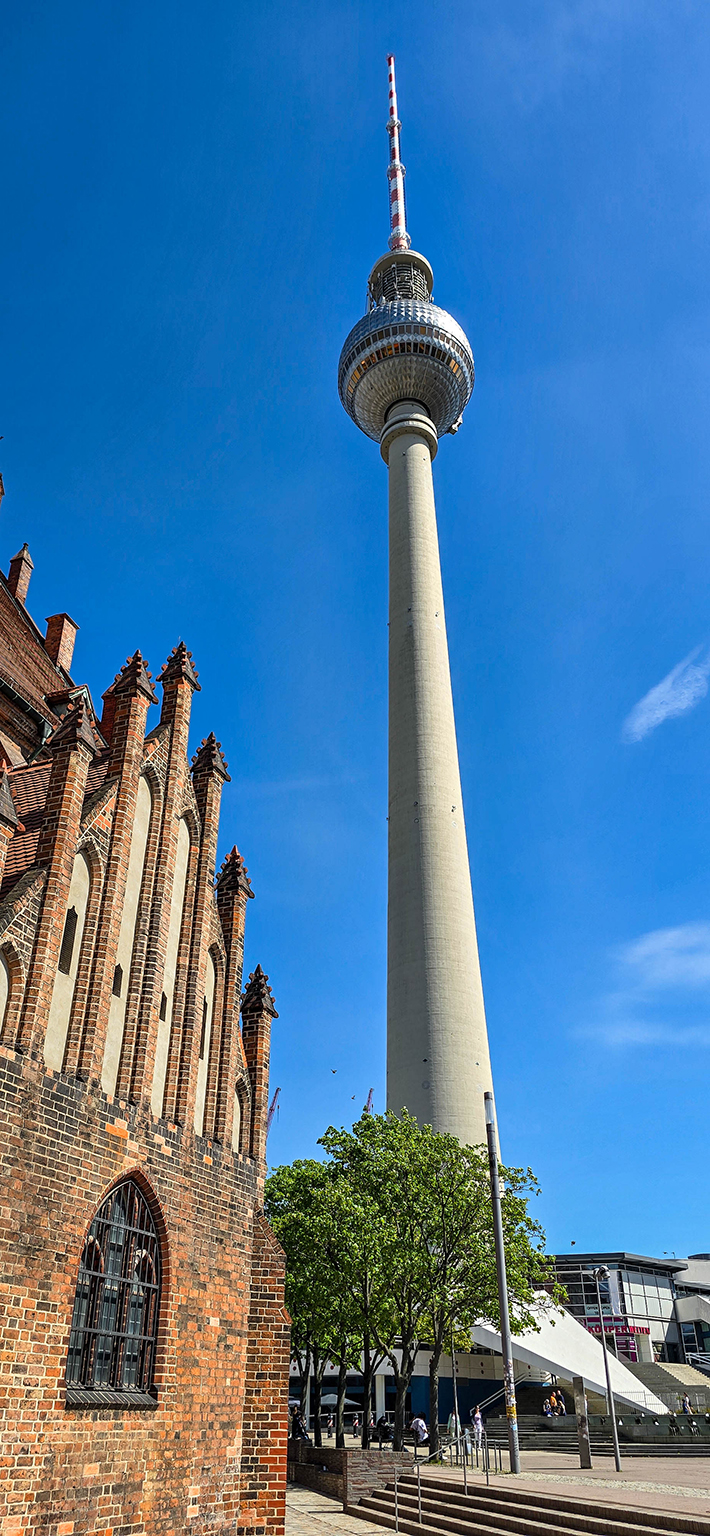
And then there is the Fernsehturm, the television tower of Berlin constructed by the East Germans and the Soviet Union. At 1,207 feet, it is still the tallest structure in Germany.
It was built to propagate East German and Soviet propaganda by radio and television. You didn’t have to listen to broadcasts, just as it is not required you pay attention to Internet drivel.
But the location near the Reichstag made it impossible to completely ignore. West Berliners called the tower “the middle finger.”
All text and photos are by Corey Sandler, all rights reserved. Copyright 2026. If you want to obtain a copy of one of my photographs for personal or commercial use, please contact me using the link on this page.
If you’d like to order a copy of my book, “Henry Hudson Dreams and Obsession” you can obtain a Kindle or PDF version by clicking here: HENRY HUDSON DREAMS AND OBSESSION
Or if you would prefer to purchase a printed book in hardcover or paperback (personally autographed if you’d like) please send me an email for details. Click here to contact me.