
By Corey Sandler
We’re finally returned from a loop-de-loop set of European cruises, a six-week odyssey that began in Iceland and ended in Lisbon.
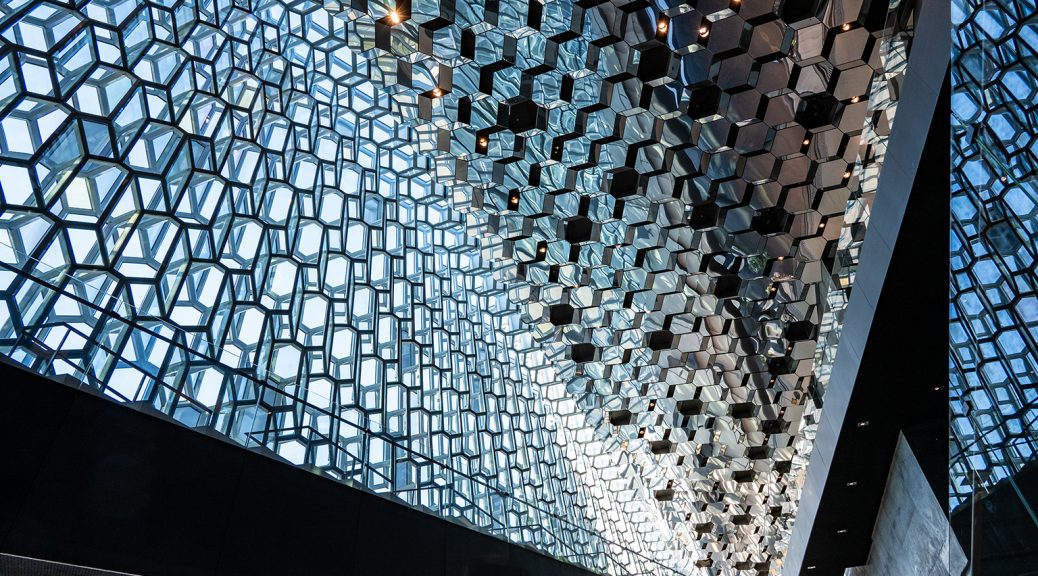
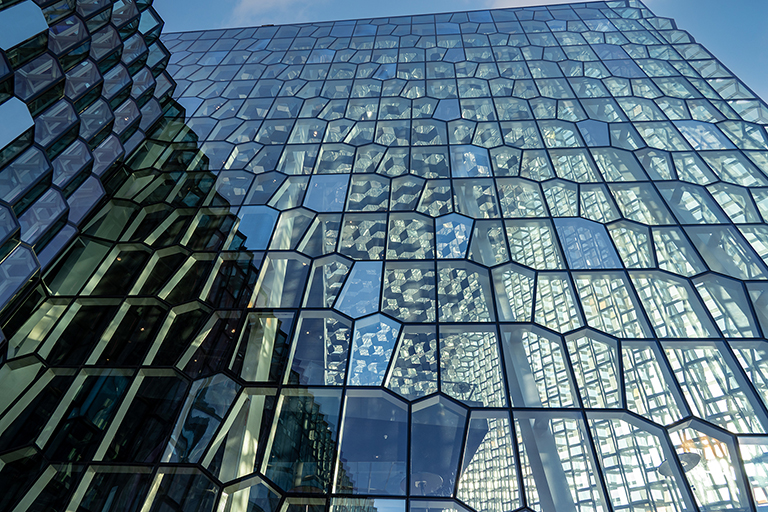
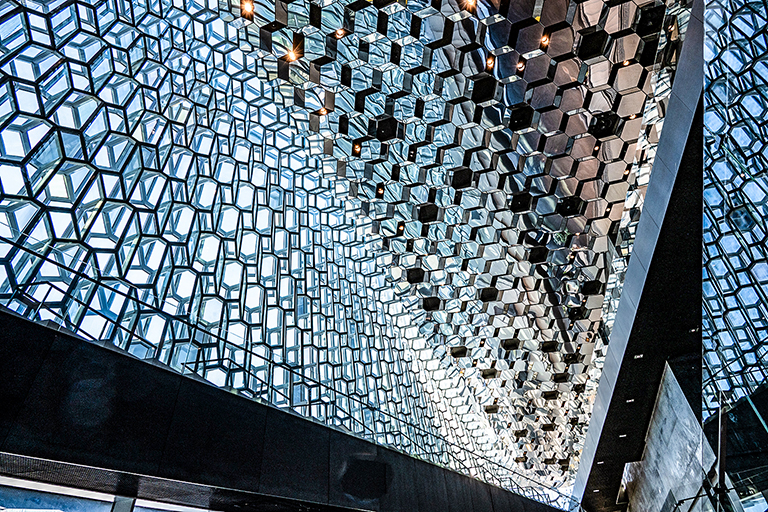
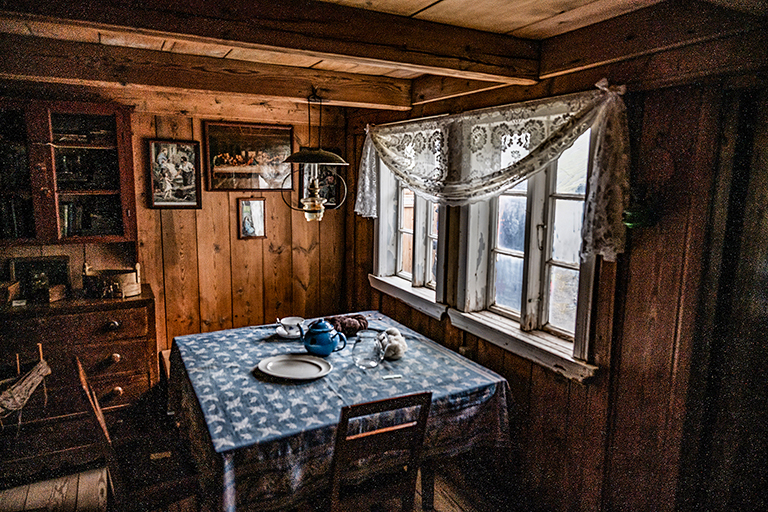
It was a wonderful window on the world, from the North Atlantic to the Norwegian Sea to the Iberian Peninsula. I took several hundred photos along the way, quite a few of them through windows.
About twenty years ago, I threw caution to the wind and rented a car in England for a circumnavigation from Manchester to Wales, the Cotswolds, Totnes and Dartmouth on the south coast, and back to Manchester. I adapted to driving on the wrong side of the road, although I never quite figured out how to stop turning on the windshield wipers when I wanted to use the turn signal.
But I still have the occasional nightmare about coming to a roundabout.
(You might know this piece of road engineering as a rotary, a traffic circle, or a ring junction.)
It was hard enough to remember to bear to the left to make a circuit in a clockwise direction. Now imagine doing this with two lanes of traffic and road signs in Welsh or Gaelic.
On more than one occasion I stayed in the roundabout for several loops while my wife and family tried to determine whether we wanted to exit at Pontypridd, Merthyr Tydfil, or Tongwynlais. I chose Cardiff…
Why was I remembering roundabouts?
This cruise contract began in Reykjavik, Iceland. We proceeded in a clockwise direction (west, then north, then east, then south) to nearly circle that amazing island nation.
From the port of Seyðisfjörður on the east coast, we headed out to sea, southeast to Tórshavn in the Faroe Islands.
Still with me? Our next port of call was due east to Bergen. From there north up the coast of Norway to Geiranger and Molde, then hanging a U-turn to Flåm and finally returning south to Bergen.
We spent a day in Bergen to allow the ship’s navigator to recalibrate the compass and to pick up fresh supplies of the necessities: steak, lobster, beer, wine, and dark chocolate.
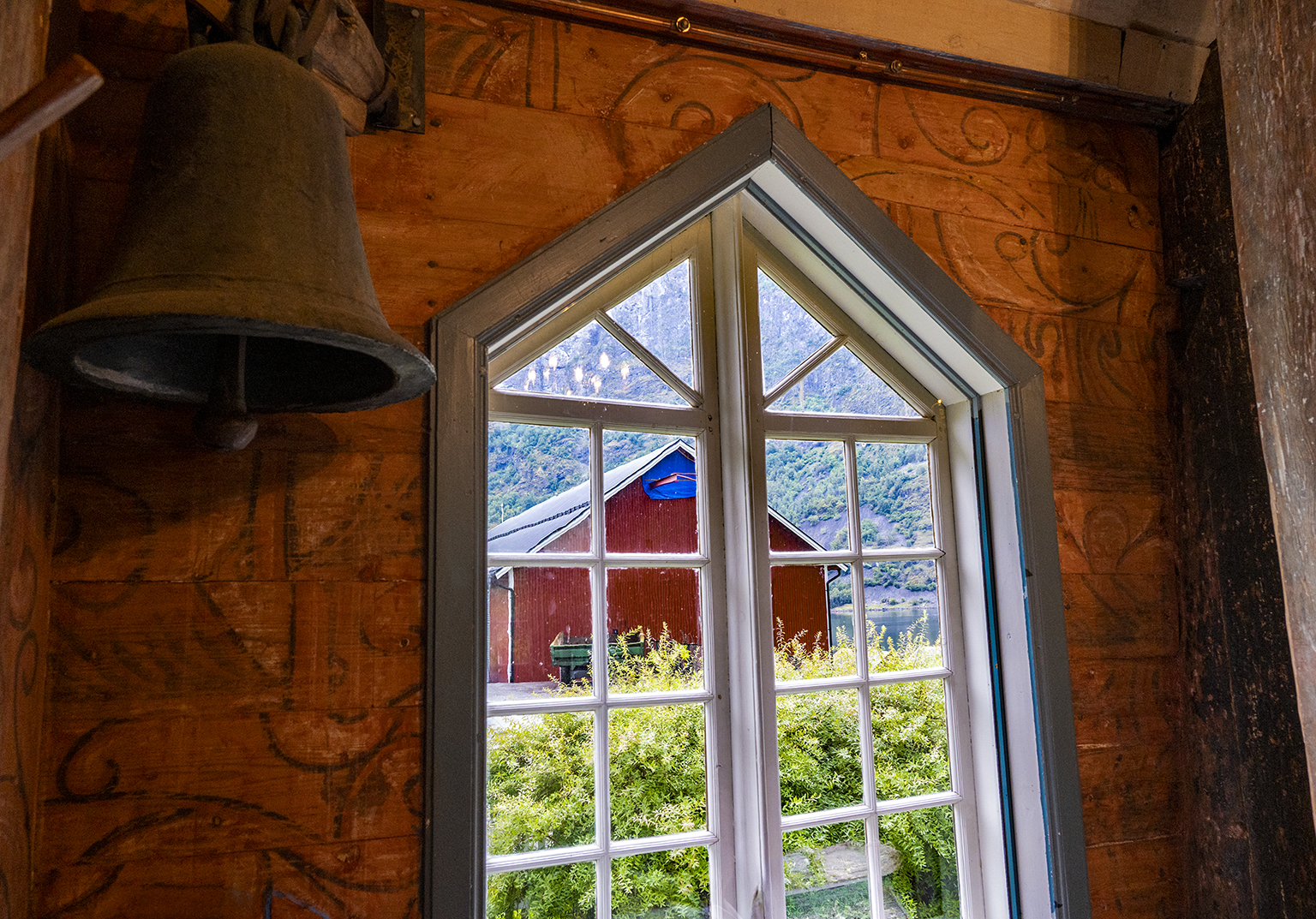
It was now mid-September, and North Sea was beginning to churn.
We sailed west to Lerwick in Scotland’s Shetland Islands. The next two days we were southbound, calling at Aberdeen and then Newhaven, the port of Edinburgh.
It was here, perhaps in tribute to local poet Robert Burns, that the best-laid schemes o’ mice an’ men gang aft agley. Our best-laid plans indeed went wrong, because a major storm was approaching the top of Scotland where our itinerary called for us to sail.
And so, instead of sailing north to Kirkwall in the Orkney Islands and then west to Ullapool on the west coast of Scotland, we went the other direction: south, all the way down the United Kingdom’s east coast past Dover and then west along Cornwall, then north into the Irish Sea to resume our itinerary at Belfast in Northern Ireland.
Still with me? East over to England to Liverpool, then west to Dublin in Ireland, and then south to the bottom of England to Dover before proceeding west to Greenwich at the port of London.
But wait, there’s more: there was one more cruise on my contract, beginning from Greenwich. East down the River Thames, then a jog south to Dover.
From there, southwest across the English Channel (or as the French call it, La Manche or The Sleeve) to Le Havre which allowed us a visit to Paris to pick up a fresh baguette. Some guests went to Normandy.
From Le Havre, we sailed around the corner west and then southeast to Pauilliac on the Gironde Estuary short of Bordeaux.
From there south and across the border to Bilbao, and then west across the top of Spain to A Coruña.
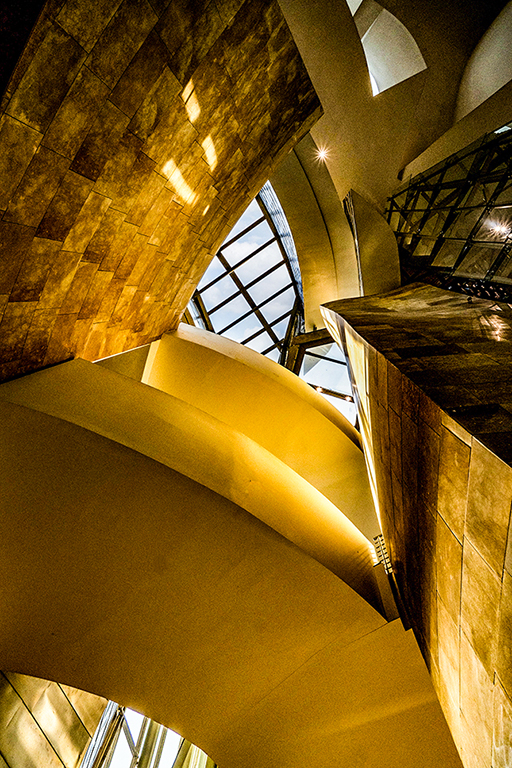
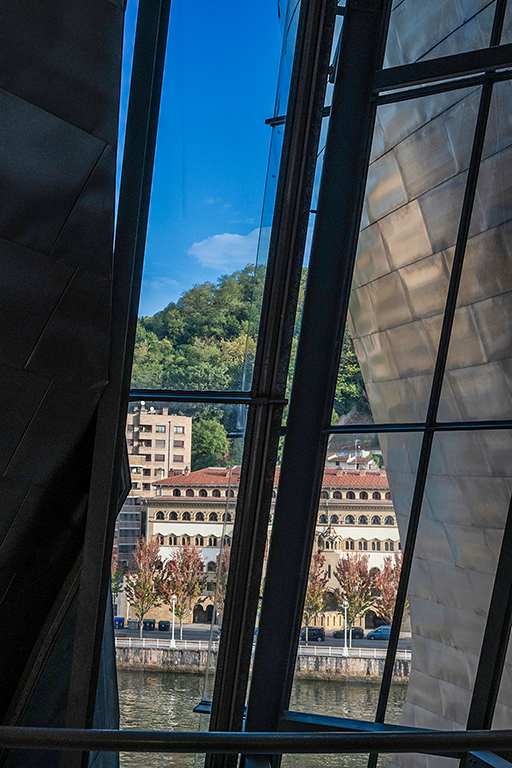
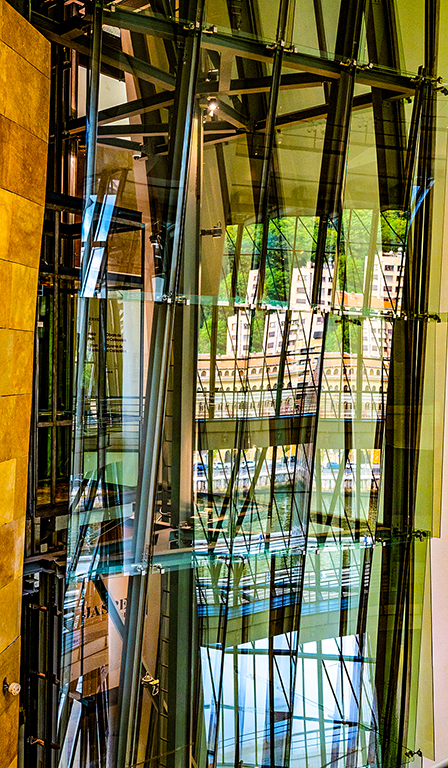
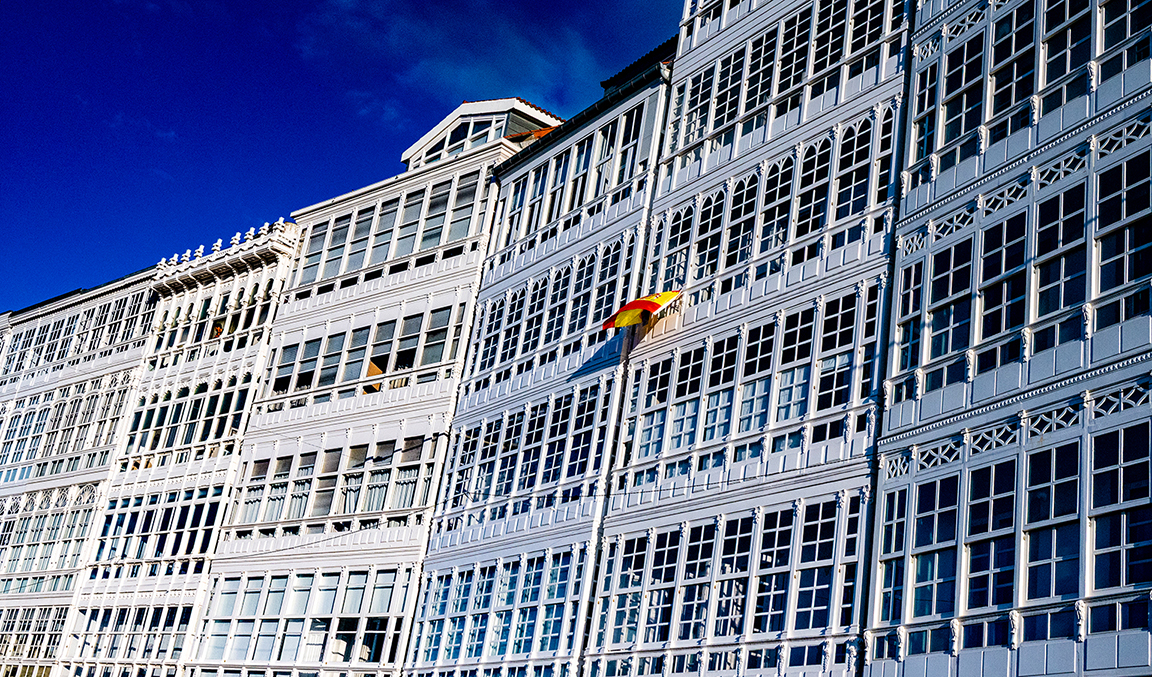
And finally, dizzingly, south into Portugal for visits to Leixões and finally Lisbon.
In other words, every which way but loose. Great trip, though.
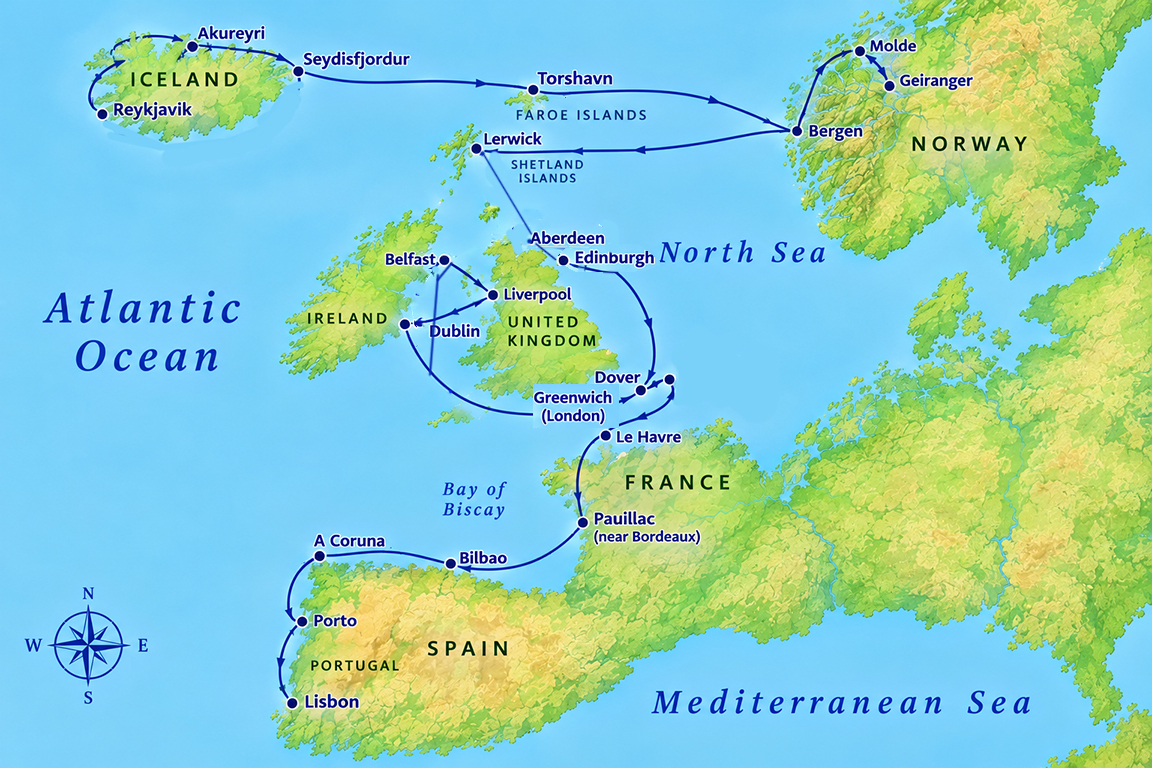
*“What light through yonder window breaks?” — William Shakespeare, Romeo and Juliet
All text and photos are by Corey Sandler, all rights reserved. Copyright 2026. If you want to obtain a copy of one of my photographs for personal or commercial use, please contact me using the link on this page.
If you’d like to order a copy of my book, “Henry Hudson Dreams and Obsession” you can obtain a Kindle or PDF version by clicking here: HENRY HUDSON DREAMS AND OBSESSION
Or if you would prefer to purchase a printed book in hardcover or paperback (personally autographed if you’d like) please send me an email for details. Click here to contact me.