
By Corey Sandler
One of Boston’s many nicknames–not its most modest one–is “The Hub of the Universe.”
It was given that sobriquet by the physician, writer, poet, and world-class mind Oliver Wendell Holmes Sr. in 1858. He meant it as a jab at some of the politicians within the gold-domed Massachusetts State House.
It began as “Hub of the Solar System” but over time it expanded beyond our local single-star planetary system within the Milky Way to include the entire universe.
Bostonians came to wear it as a badge of honor.
These days the old nickname seems particularly apt because Bostonians are so determinedly brash in their defense of the lively and handsome harbor city.
I don’t disagree, especially after the great Summer of 2026.
We returned from cool Norway in June and landed in an early heat wave that included several days that pushed the mercury above 100°.
And then the festivities began.
World Cup Traffic Cones and Boatless Vikings
Boston was one of the sites for early round games of the 2026 World Cup, the global football (soccer to some) competition that simultaneously proved two seemingly contradictory theories:
1) That sport and sportsmanship can unite the world, rising above petty politics to celebrate great individual and team achievements,
AND
2) That petty politics can divide the world, despoiling great individual and team achievements.
Getting back to Holmes, Sr.
Another of his barbed observations was this: “Controversy equalizes fools and wise men in the same way – and the fools know it.”
What he meant was this: Just because some uninformed blowhard says something loudly and repeatedly doesn’t make it true.
We have a tendency in our modern times to believe that if someone has a microphone, they have something worthy and true to say.
But back to the World Cup in Boston.
The matches were held at what was temporarily renamed Boston Stadium, which is actually way out in the distant suburb of Foxborough. Before and after the World Cup it instead bears the name of a tinny razor blade manufacturer that pays handsomely for the right to put its name in lights at a field built for American football and outdoor concerts.
But under the strongarm rules of the organizer FIFA, all of the stadiums used for the World Cup had to be renamed generically. Not for non-commercial purity, but the exact opposite: to avoid reducing the value of huge payments made by sponsors directly to FIFA.
Anyway, five group stage and two knockout round games were played there, and for a 26-day stretch Boston was a very happy Hub of the Football Universe.
Two of the games at Boston Stadium included the team representing Scotland.
Here in Boston, we were happily shocked by hordes of men in kilts, squads of bagpipes, a sudden shortage of beer at dozens of local taverns, and an unexpected migration of orange traffic cones.
The fans of the team from Scotland call themselves the Tartan Army and for all of their time in town the chant was: “No Scotland, No Party!” On an off-day between matches hundreds marched from downtown to Fenway Park to watch a Red Sox game, overshadowing Boston fans at their own baseball stadium.
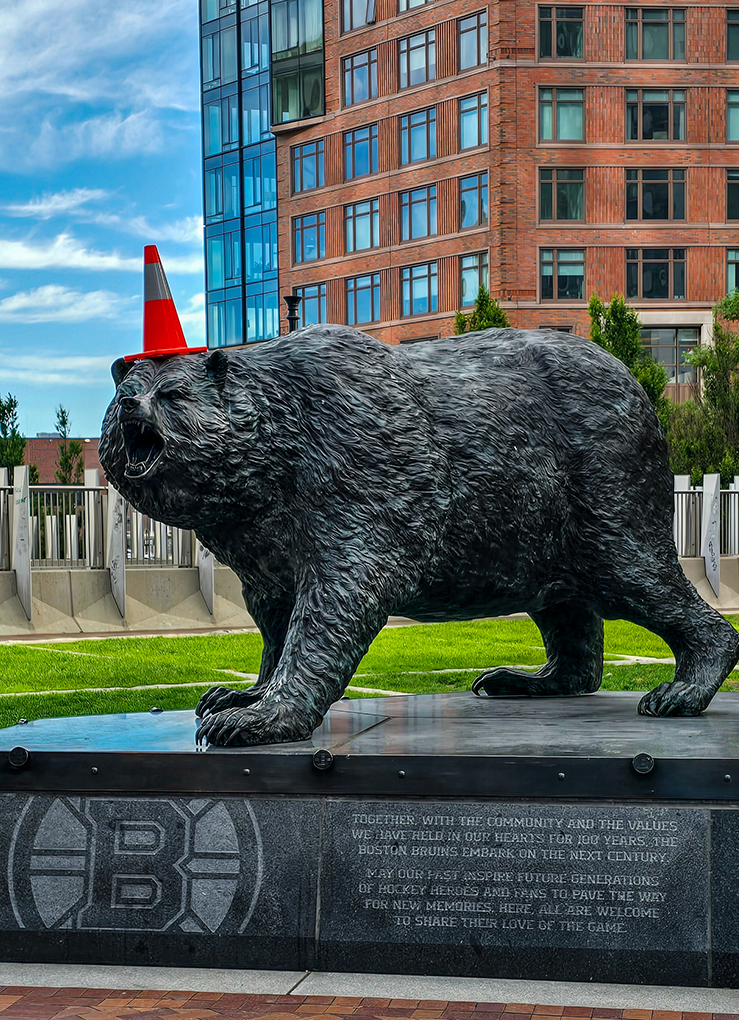
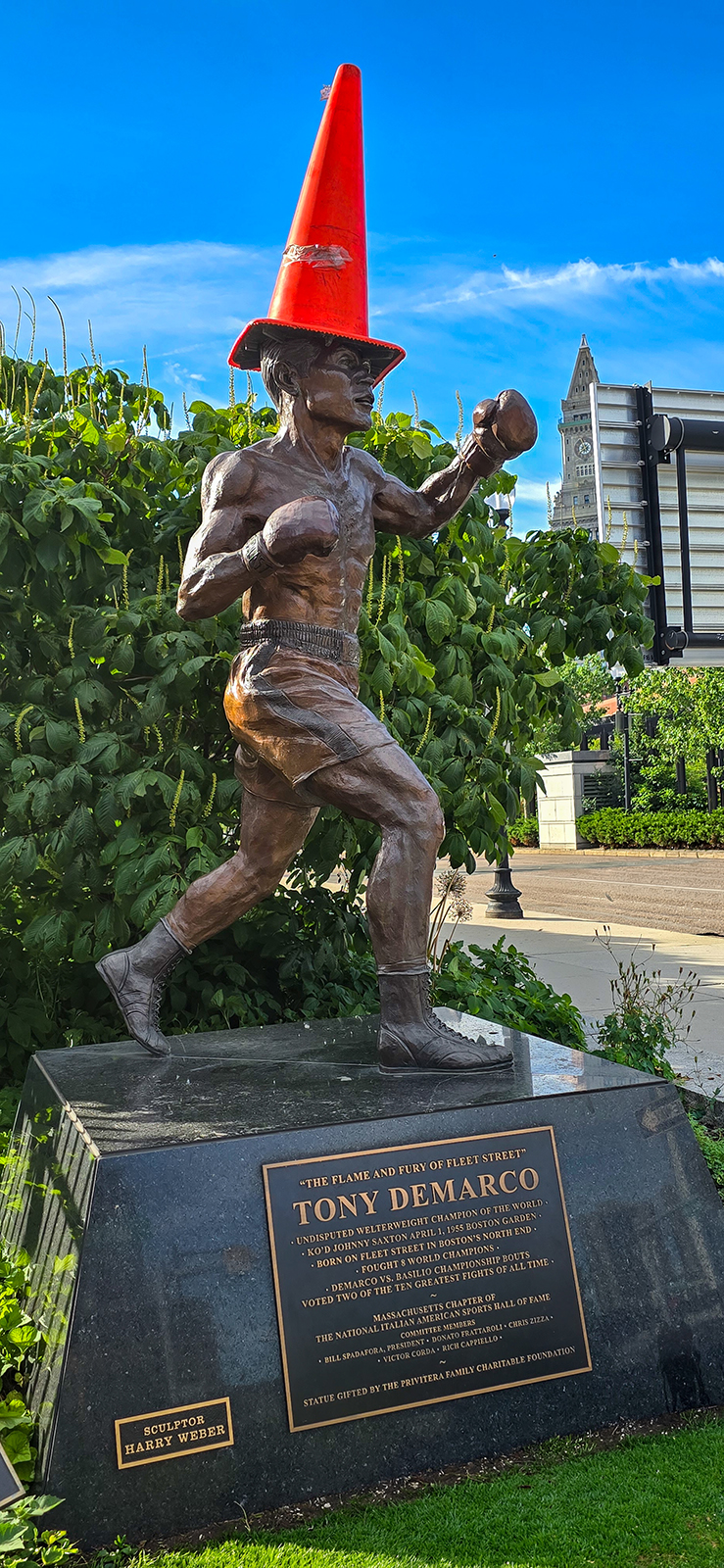
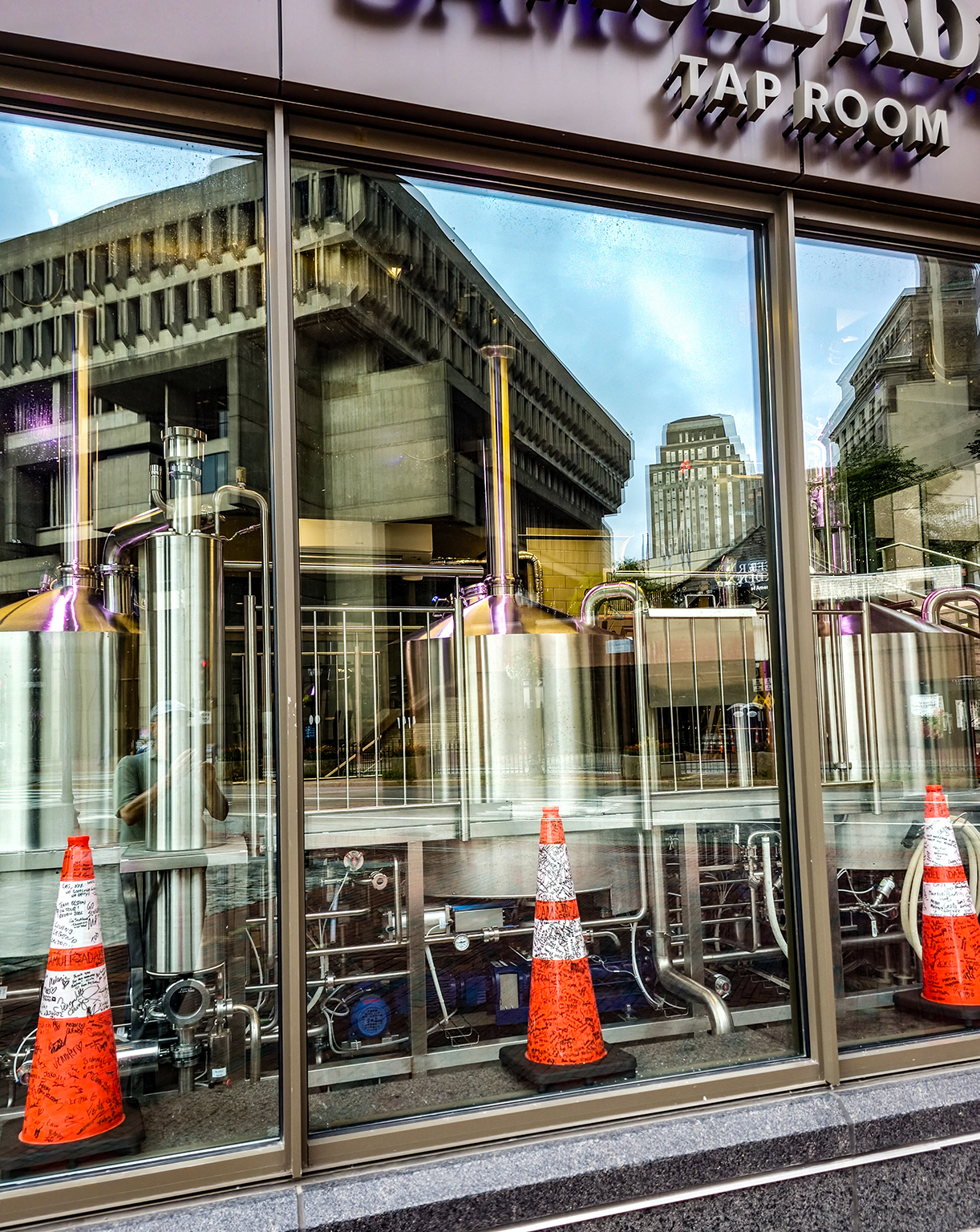
Almost everywhere the Tartan Army gathered they sent scouts in search of orange-and-white traffic cones used to mark construction zones and other obstacles. The cones were repurposed all through Boston: topping statues with unexpected hats, stuffing basketball rims, and providing other artistic flourishes.
It was, technically, a violation of local laws. But Bostonians took the mad hatters in stride, embracing the cones. Suddenly there seemed to be more traffic cones available for extracurricular activities than ever before.
In the early 1980s, a statue of the Duke of Wellington at the Gallery of Modern Art in Glasgow was betopped with a traffic cone. Wellington, a 19th-century British politician served as Commander-in-Chief of the Forces and as Prime Minister. In Glasgow local authorities removed the cone but it kept being replaced; it is now a tongue-in-cheek symbol of that city.
After Scotland moved on to play somewhere else, the next outsized presence in Boston was Norway’s team.
Vikings, don’t ya know?
Their exuberant fans took over parts of downtown to perform their synchronized Viking rowing demonstration without need of a boat or oars.
Neither Scotland or Norway advanced to the World Cup finals, much to our disappointment. But a month later there were still scattered shortages of beer and sightings of traffic cones on statues.
A Special Fourth of July
Boston, of course, can lay claim to being the birthplace of the American Revolution…with some shoutouts to Philadelphia, New York, and Williamsburg and Richmond in Virginia. But the revolutionary spirit still seems to linger in the Hub.
Among the rebels was Samuel Adams, who worked in his family’s malt house. He was one of the organizers of the Boston Tea Party protest against British taxation laws. The Boston-based beer named in his honor was one of the libations in short supply this summer. And his statue near Faneuil Hall wore a traffic cone for several weeks.
Another local was John Hancock, a wealthy merchant who helped finance elements of the Revolution and would go on to be president of the Continental Congress before the Constitution was enacted.
Paul Revere was a Boston silversmith who moonlighted as a courier for the rebel group Sons of Liberty and made his famous midnight run to warn Lexington and Concord of the movement of British troops. He was born and worked in the North End, not far from the modern statue of Tony DeMarco.
And, of course, the Battle of Bunker Hill–the first major military engagement of the revolution–took place across the bay in Charlestown. The British prevailed, just barely, but the rebels established they were a force to be reckoned with.
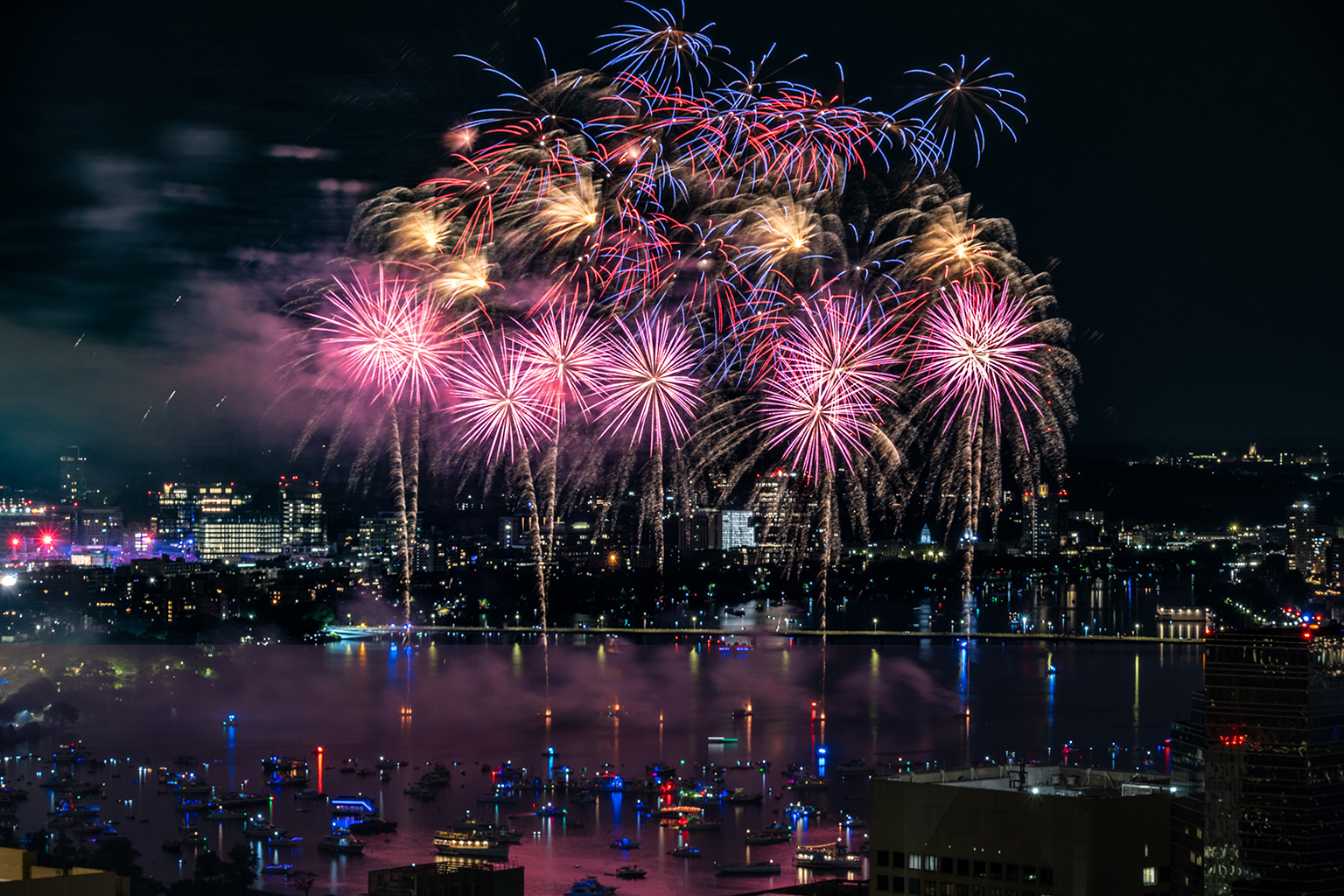
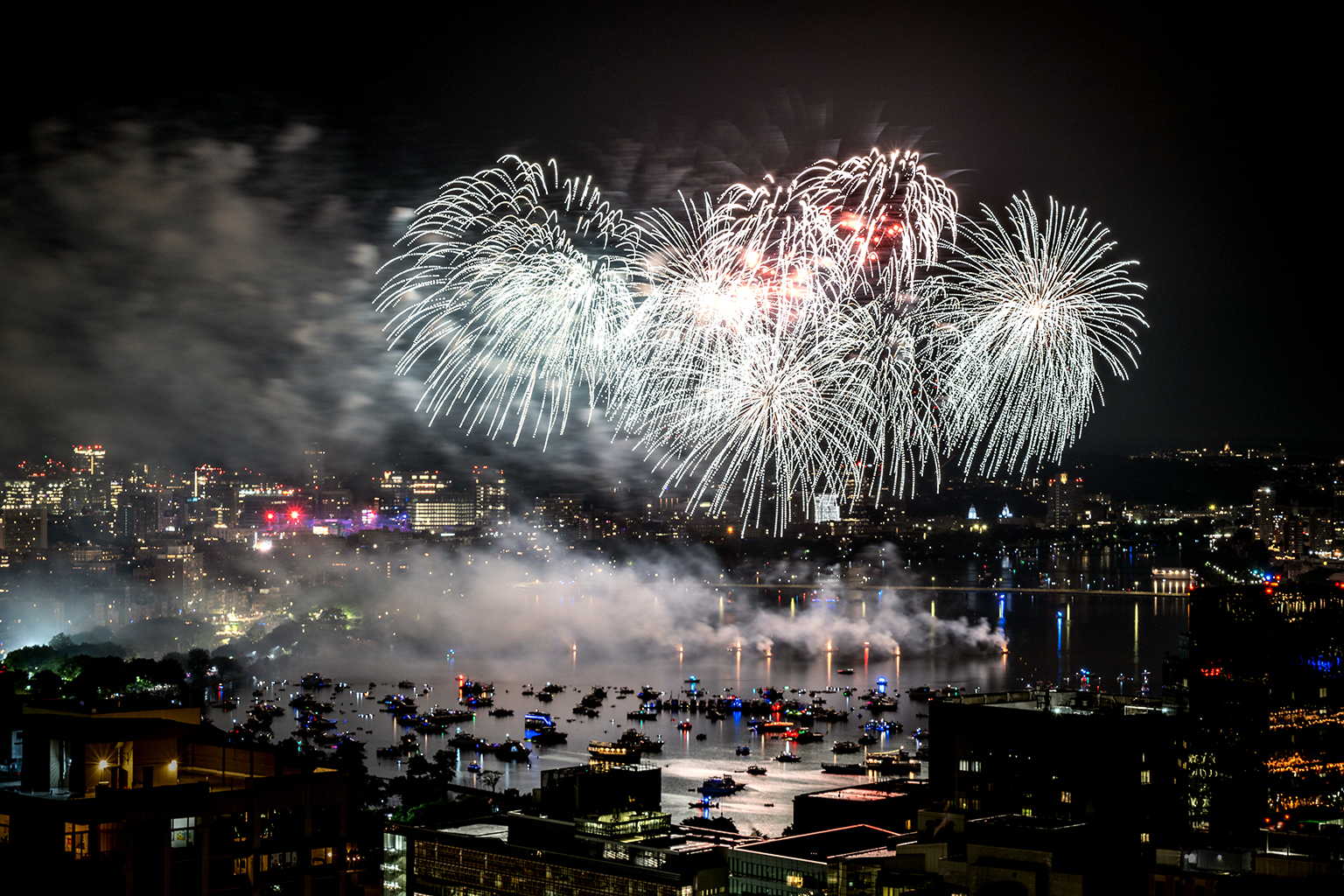
This brings us to the second big event of this summer to remember: the Boston Pops Fourth of July Fireworks Spectacular, held along the Charles River Esplanade. It has been an annual event since 1929, with fireworks over the Charles River added in 1974.
This, of course, was set to be a particularly momentous show because it was the 250th anniversary of the Declaration of Independence–not the founding of the nation, which would occur on September 17 of 1787 with the signing of the Constitution.
The bottom of the document is adorned not with a traffic cone but with Bostonian John Hancock’s oversized signature at the bottom.
Nowadays, crowds usually arrive early in the morning of the Fourth in search of a patch of grass along the Charles River in Boston to call their own; by the time the concert begins several hundred thousand people are watching at the Hatch Shell along the river or from nearby bridges and rooftops.
This year, because of extreme heat, authorities tried to convince visitors to come later in the day. Some heeded the advice, some did not.
And then, about an hour before the first note was scheduled to be played, a very threatening lightning storm with heavy rain began to approach. Visitors were moved off the grass and under nearby bridges and other shelters to wait out the storm.
The show began a bit delayed, but the fireworks from five barges anchored in the river were worth the wait.
Our viewpoint was from our balcony, 410 feet up the air at the level of the fireworks. High and dry, we were.
Sail 250 in Boston
Boston was in the early days of the British Colonies one of the principal ports of trade. Old etchings and paintings show dozens of substantial sailing vessels at wharves in the heart of Boston and across the harbor in East Boston and Charlestown.
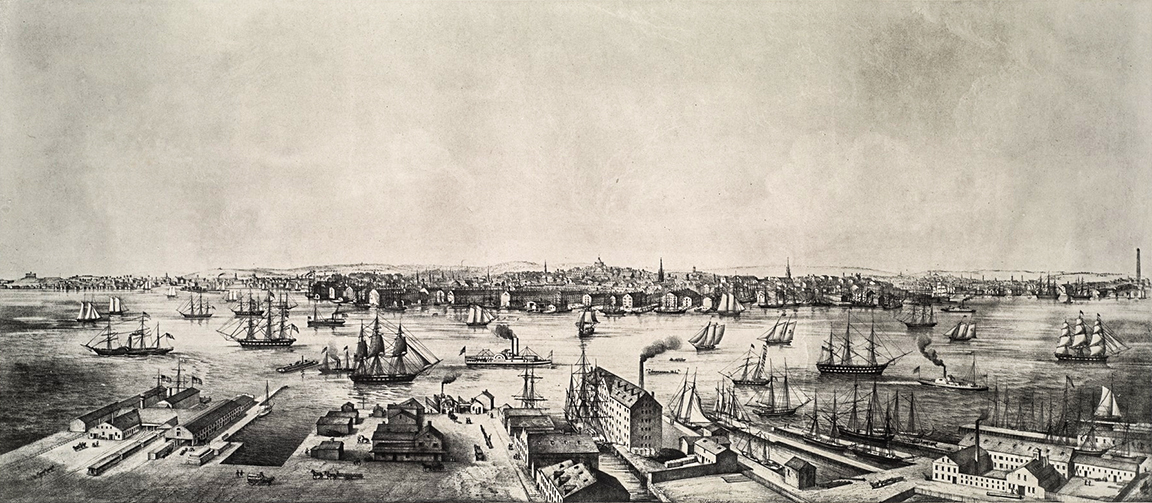
The port was eclipsed after the opening of the Erie Canal that connected the Great Lakes to the navigable top of the Hudson River and down to New York City.
But the maritime heritage is still visible, from the sprawling Charlestown Navy Yard which employed as many as 50,000 workers during World War II to the downtown waterfront and in the now-revitalized Seaport district.
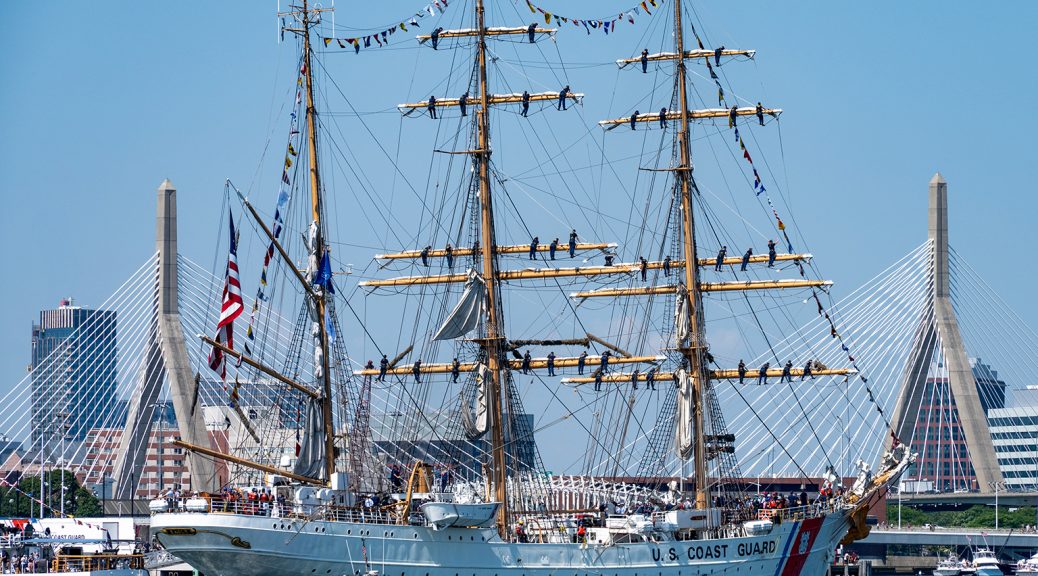
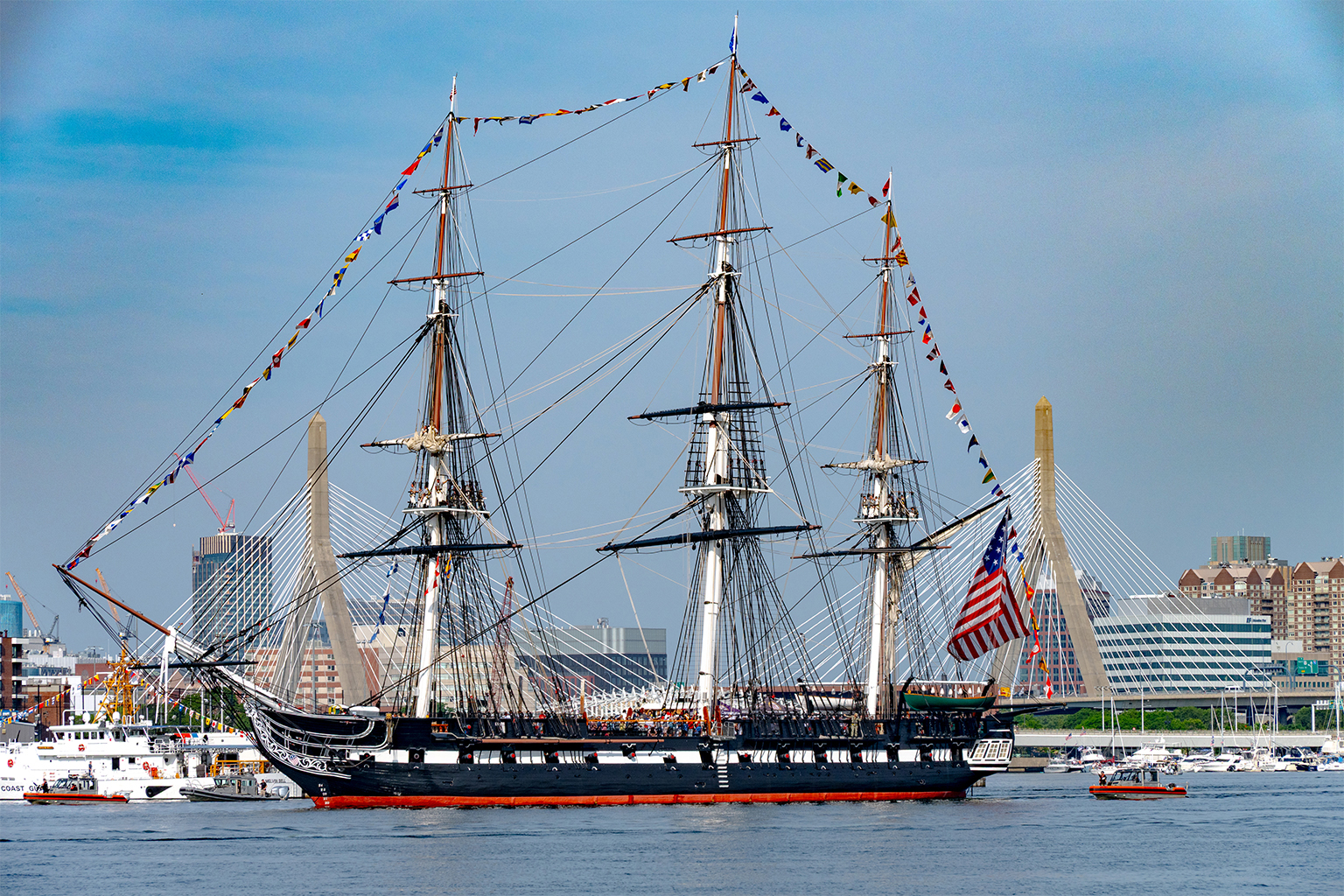
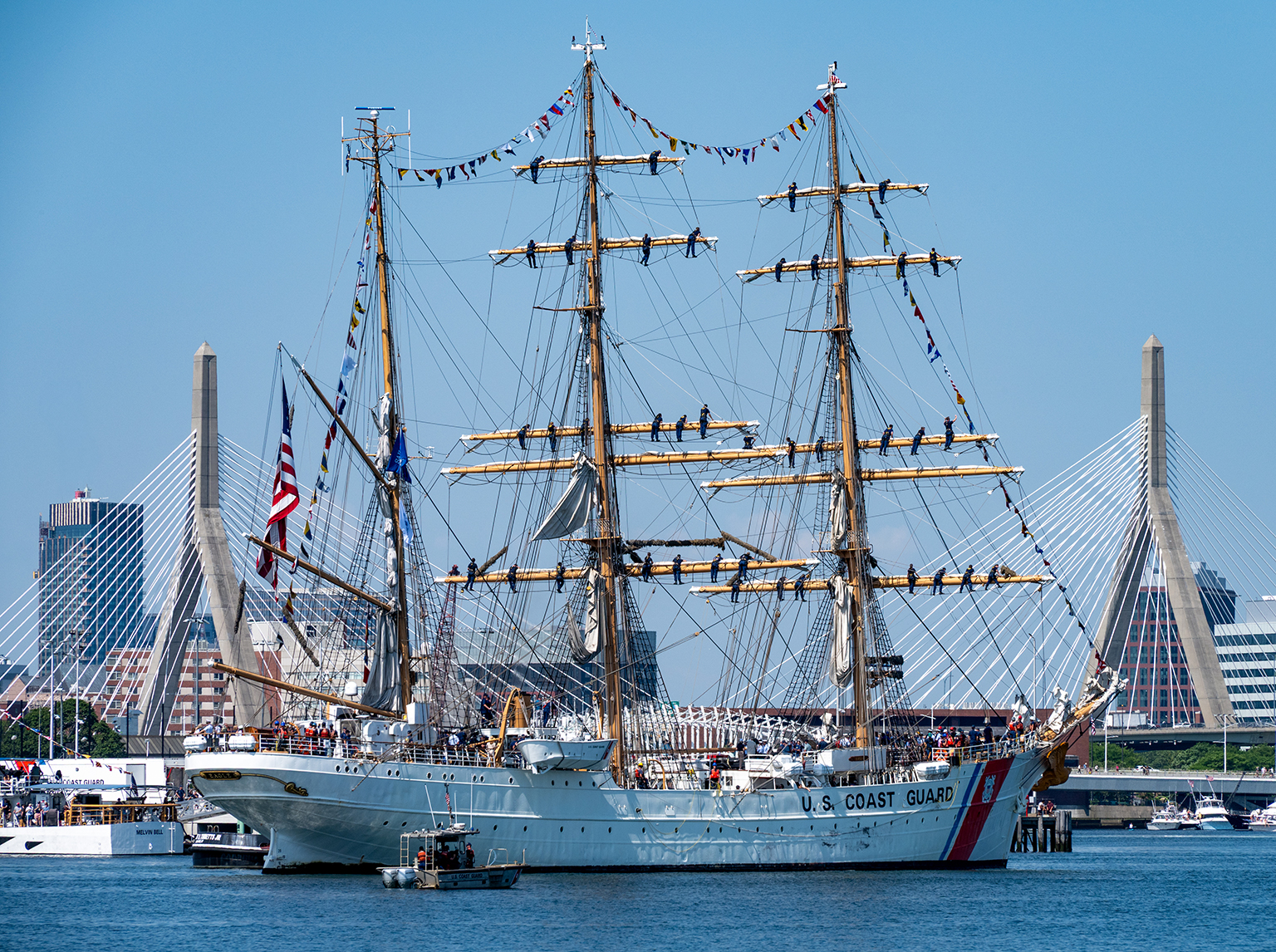
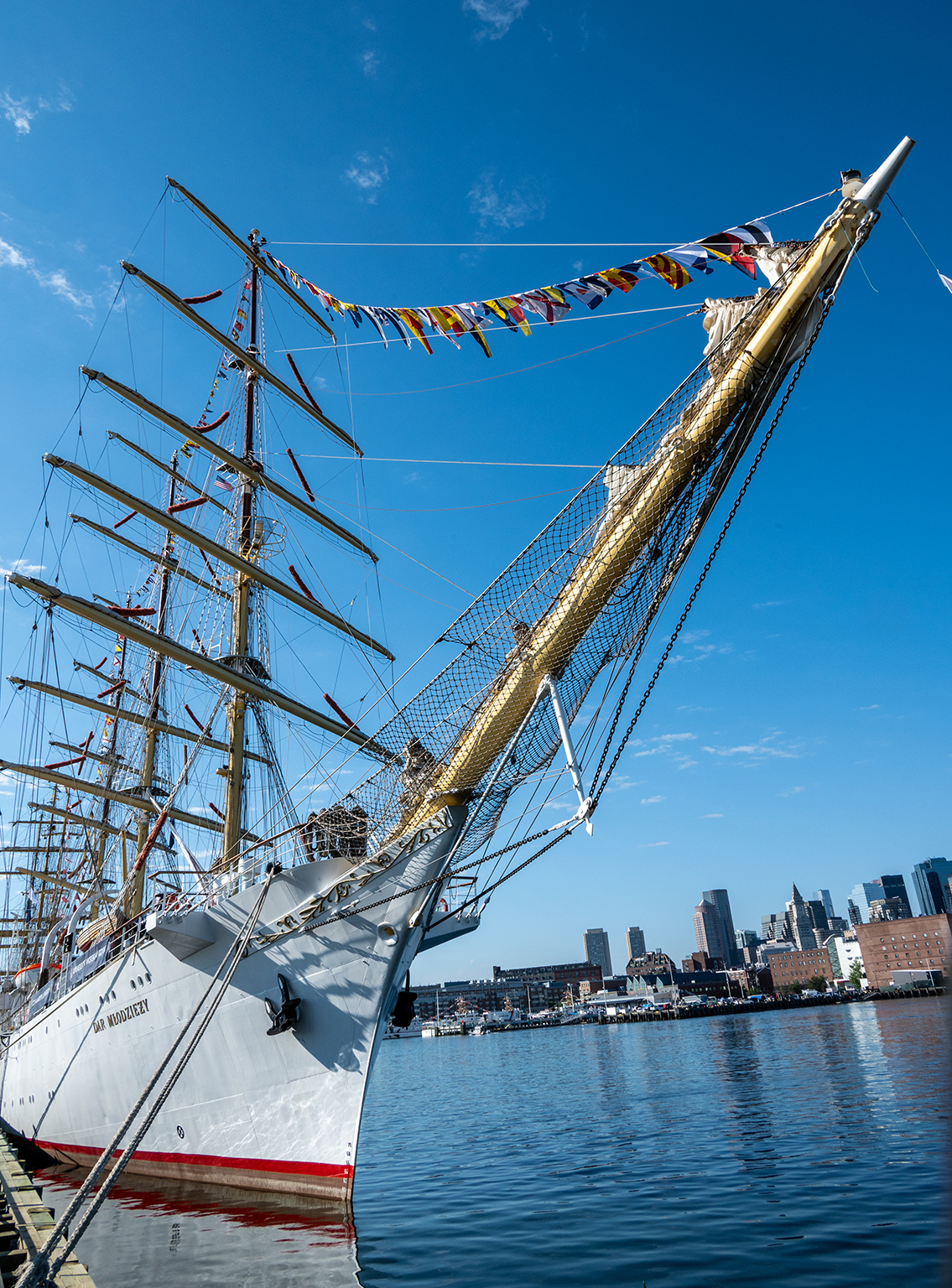
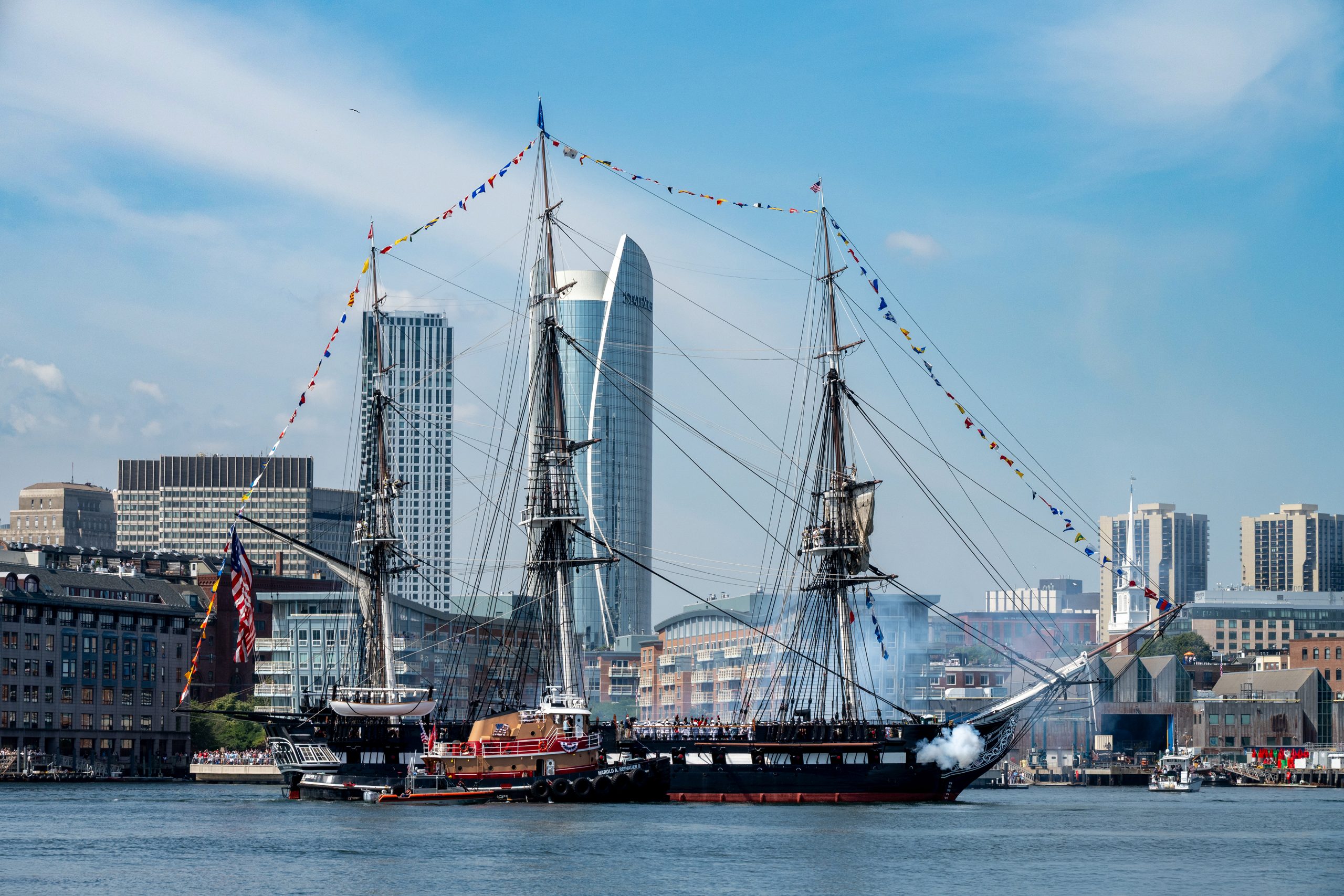
As part of the commemoration of American independence, Sail 250 brought a spectacular flotilla of tall ships and other notable vessels to five ports: New Orleans, Norfolk, Baltimore, New York, and Boston.
The Parade of Ships into Boston’s handsome (but narrow) harbor was a spectacular site. About 60 significant ships were joined by dozens of others, surrounded by hundreds of small private vessels, and observed by huge crowds.
I studied the weather forecast, the location of the sun, and the likelihood of a clear view and chose a spot along the waterfront in East Boston.
The Sawx, Redux
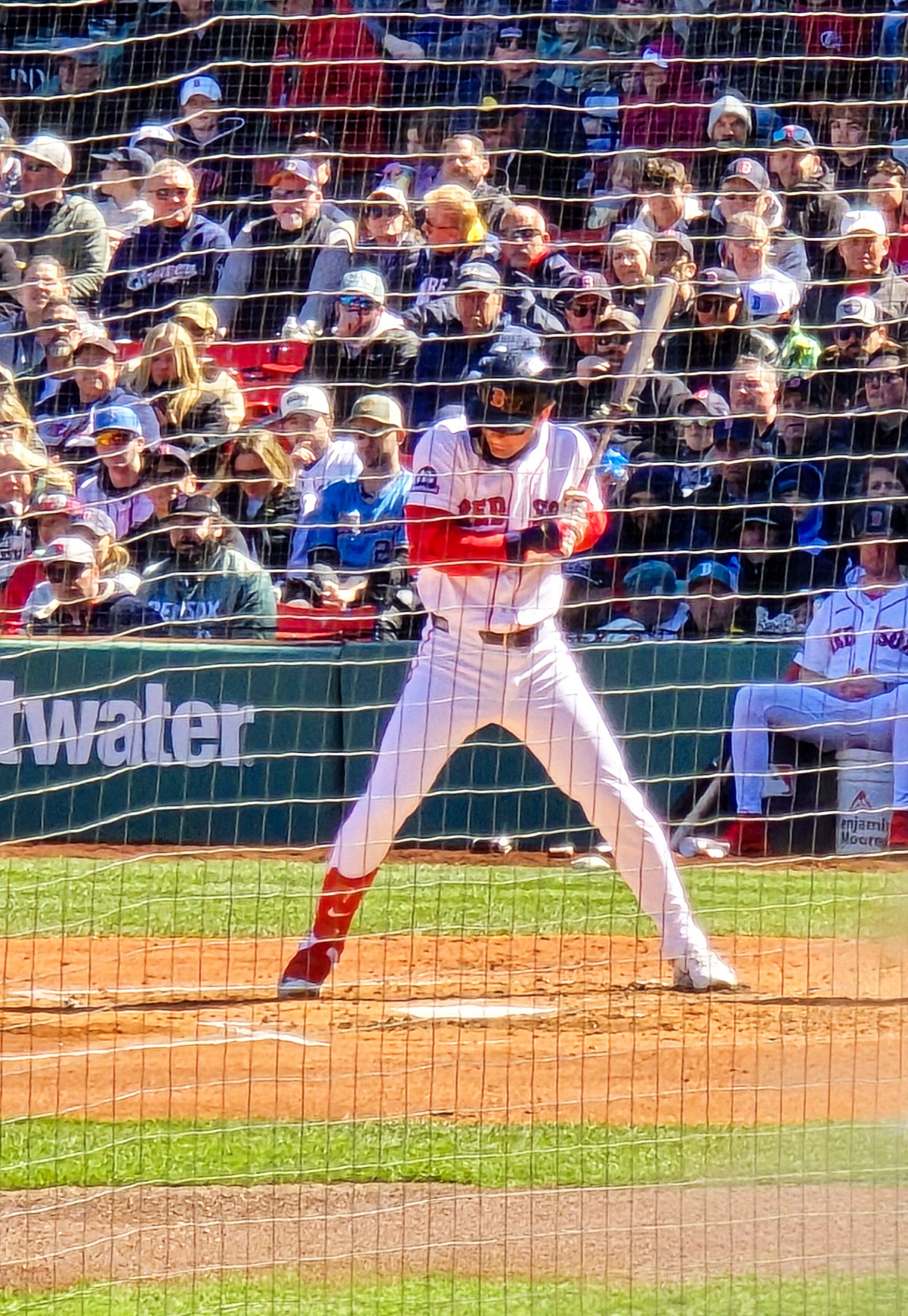
And then there were the Boston Red Sox, known around here as “the Sox”, and pronounced properly as “the Sawx.”
The 2026 season started out as a real stinkah. At the end of the first month of play, the hometown team’s record was 10 wins and 17 losses, a universally unacceptable record around here.
So what do you do when the pitchers are not pitching well, the hitters aren’t hitting, and the fielders keep dropping the ball? Why, you fire the manager, the guy who is armed with a pencil.
But after a few weeks going sideways, the Sox suddenly seemed to remember why they were on the field.
They went from near-zeroes to heroes, with eight winning streaks of three games or more after April 25, including a Boston record-breaking streak of 15 wins in a row, followed up by a string of 9 wins.
If only their 9-game set had extended by one more, they would have had two separate streaks of 10 or more wins in the same season, something no other major league team has ever accomplished.
But it was a magical July (21 wins and 4 losses) and a stirring August, and as we prepare to leave for Iceland and then Europe the Sox are in the hunt for a position in the playoffs. They threw in another streak, this one of five games, as we packed our bags.
They may or may not win it all, but it was a fine capper to a magical summer.
We’ll be watching the scores from aboard ship.
And when we get to Scotland we just may borrow a few traffic cones to let them know we are there.
All text and photos are by Corey Sandler, all rights reserved. Copyright 2026. If you want to obtain a copy of one of my photographs for personal or commercial use, please contact me using the link on this page.
If you’d like to order a copy of my book, “Henry Hudson Dreams and Obsession” you can obtain a Kindle or PDF version by clicking here: HENRY HUDSON DREAMS AND OBSESSION
Or if you would prefer to purchase a printed book in hardcover or paperback (personally autographed if you’d like) please send me an email for details. Click here to contact me.