We are, with fingers crossed, seeming to tiptoeing back to something approaching normalcy. Whatever that means.
Soon after I post this blog entry, we will be heading to the airport for what I am sure will be a predictably unpleasant red-eye flight to Europe to meet up with a ship in Stockholm.
Once we have landed, the travel commences and that is the enjoyable part.
But why do we travel?
You can travel to experience spectacular scenery. Or to time travel through history. Speaking for myself, the joy of travel is in how it helps you better appreciate and understand the place from where you started.
I go to learn how other people live and allow it to inform me about my own life.
A favorite fragment from T.S. Eliot:
“And the end of all our exploring
“Will be to arrive where we started
“And know the place for the first time.”
All That Glitters
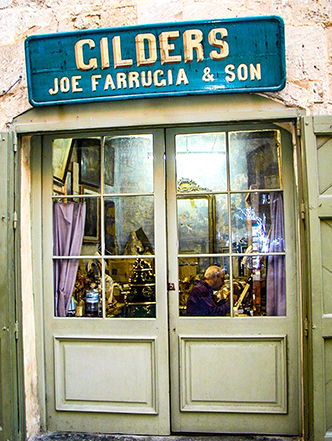
If ever I need to gild a lily, or anything else, I know the place to send you: the island nation of Malta where several practitioners are fully engaged in applying gold to clocks, statues, picture frames, and just about anything else. The craft is believed to have arrived with the Knights of Malta who extravagantly decorated their palaces when they arrived in the 16th century. Photo by Corey Sandler, all rights reserved.
Hound Dog at the Salumeria
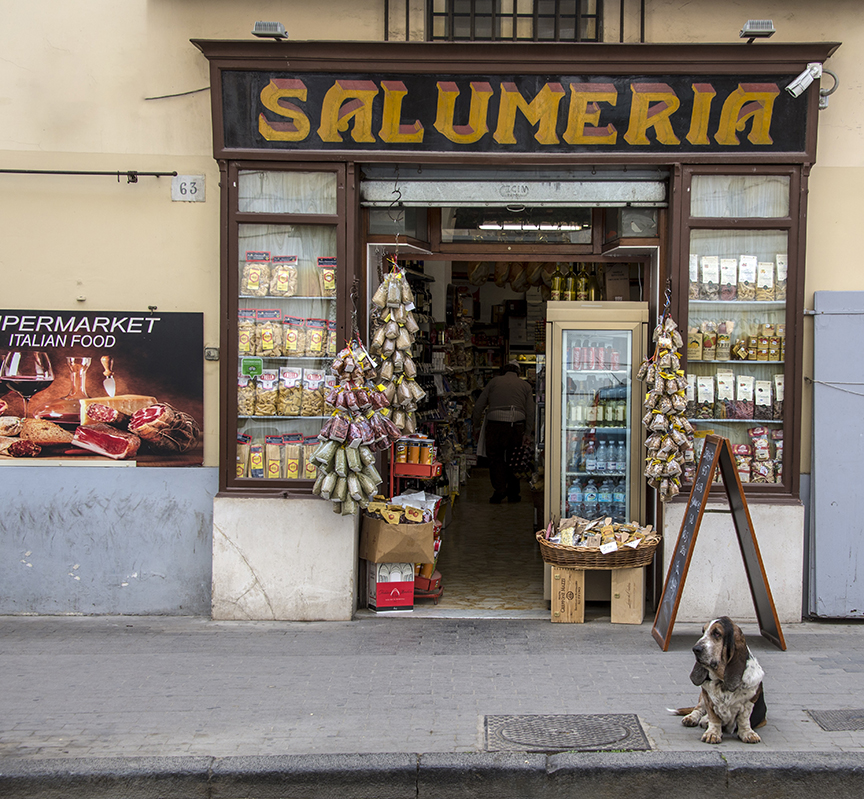
In Sorrento, Italy this Italian deli is under the watchful eye of a hound. Photo by Corey Sandler, all rights reserved.
Blood Bank
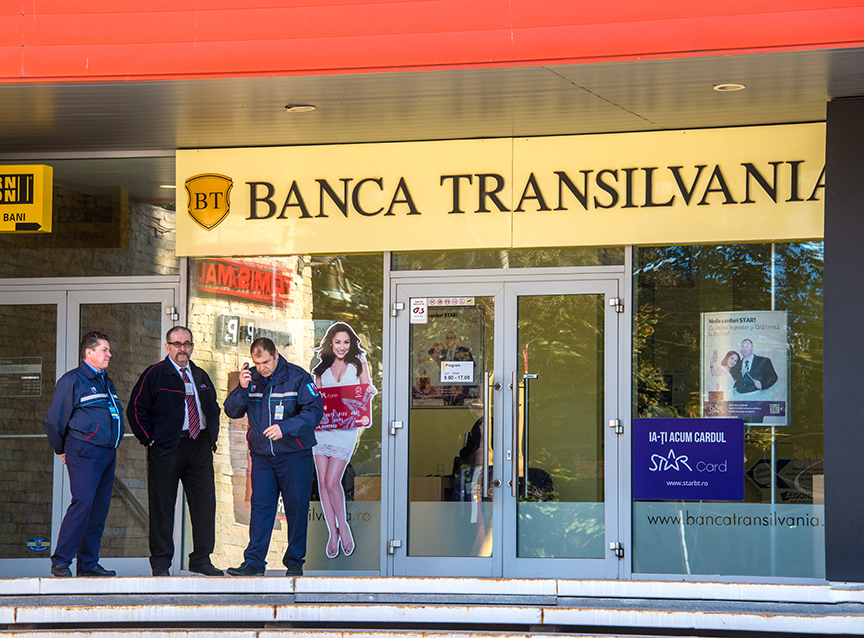
In Constanța, Romania they count the money and discount jokes about Vlad the Impaler better, known as Dracula. Photo by Corey Sandler, all rights reserved.
Adjusting Your Bite
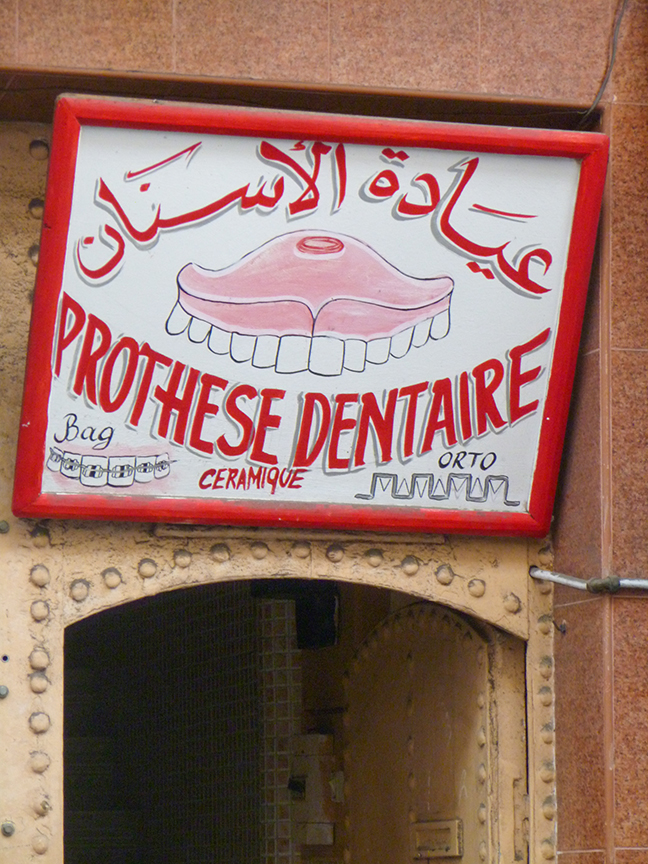
In case I needed a reminder to take care of my teeth while traveling, finding this denture-maker in a back alley of the old souk in Casablanca, Morocco sealed the deal. Photo by Corey Sandler, all rights reserved.
Don’t Let the Bed Bugs Bite
The glamour of the Big Apple, along the West Side cruise ship piers of Manhattan. Photo by Corey Sandler, all rights reserved.
Photos and text copyright Corey Sandler. To obtain copies or otherwise use images, please contact methrough my website at www.coreysandler.com
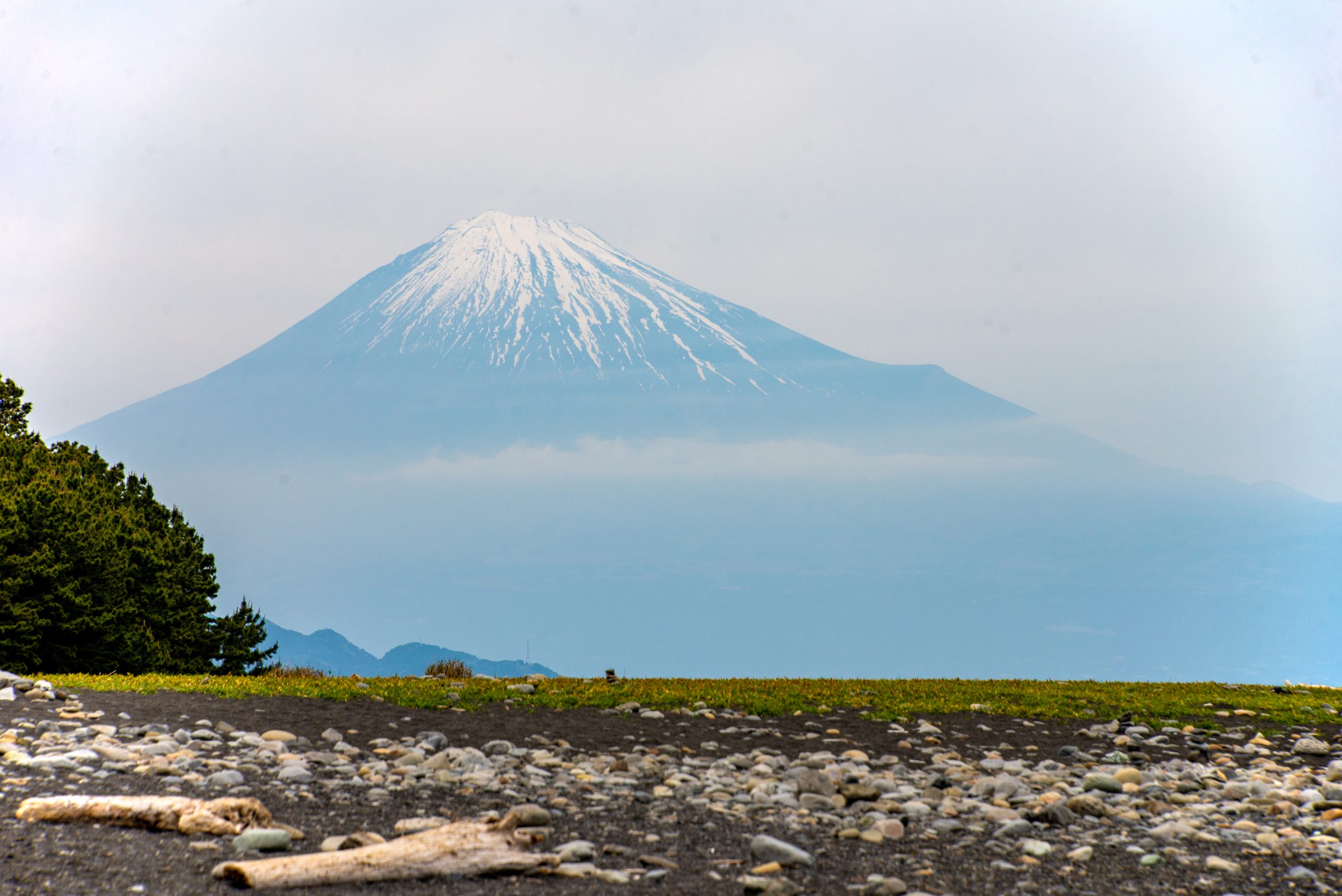
If you were to ask a (talented) child to draw a picture of a volcano, what you’d get would likely look very much like Mount Fuji in Japan.
To put it another way, Mount Fuji is a near-perfect volcanic cone, the tallest mountain in Japan with its summit at 12,389 feet or 3,774 meters. It stands on its own, covered or sprinkled with snow for about half the year.
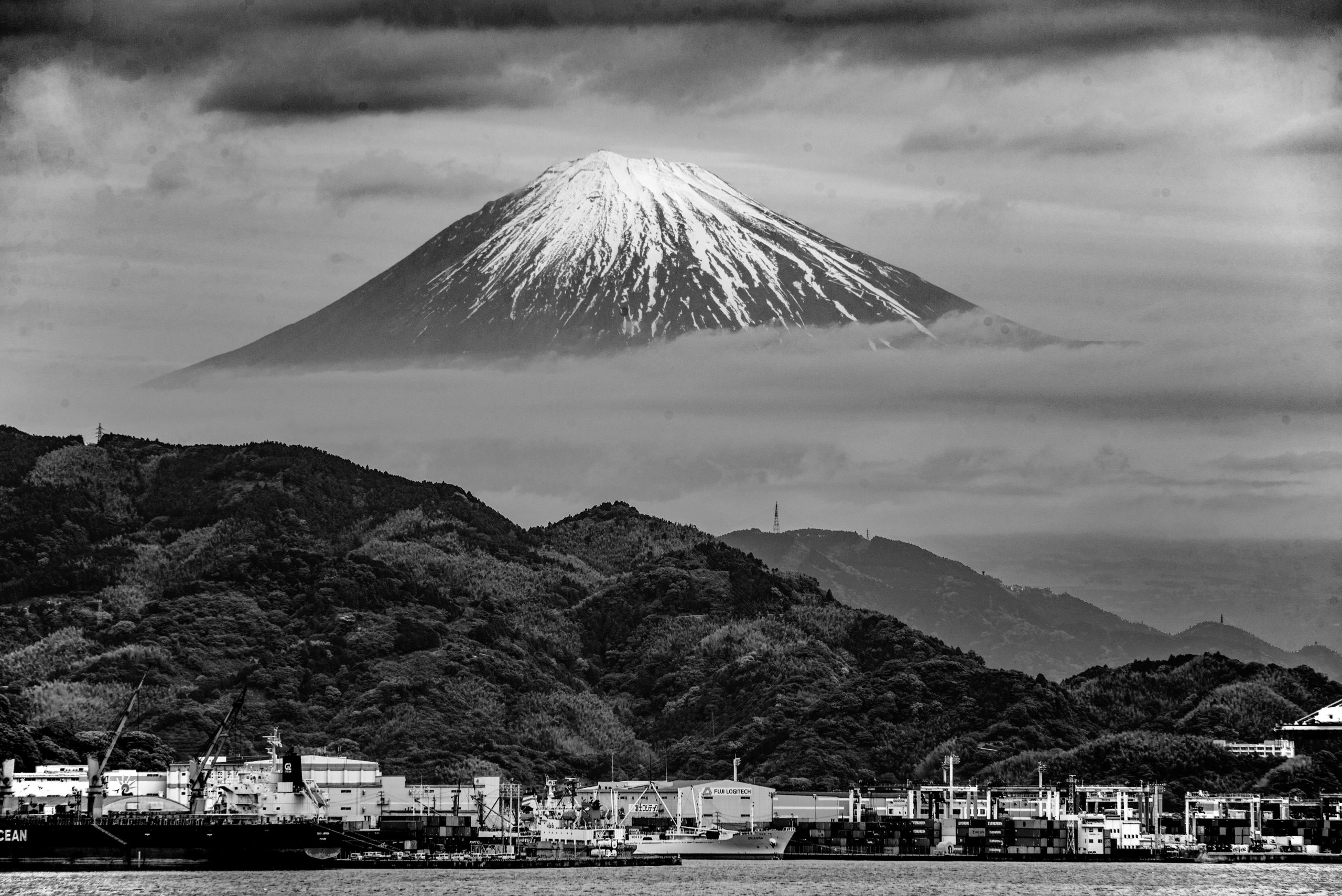
In April, I was sailing on a ship into Shimizu, south of Tokyo, ready to head out on an expedition to fulfill my mind’s-eye plan for a photo of Mount Fuji. As the sun rose on a gray and cloudy, while the ship was still maneuvering through the harbor, Mount Fuji came to me.
Mount Fuji comes to me, like a magic hat above the countryside. Photo by Corey Sandler, all rights reserved.
I chose to make this image a study in rich black and white.
We had traveled from Tokyo to the southern islands of Japan and back to Yokohama aboard Regent Seven Seas Explorer, and on the last full day of the cruise we called at Shimizu, a bustling city south of Tokyo also known as Shizuoka. The weather forecast for the day called for heavy clouds and that’s what greeted us as we sailed into the harbor.
Mount Fuji was right there, off the starboard side…or so the GPS map on my phone told us. But all we saw was a wall of cloud from sea level to the skies.
But I don’t give up that easily. I kept a weather eye on the sky, and saw it begin to brighten slightly and then a half-volcano-sized hole opened. I took the first of many photos from the veranda of our suite before our ship came to the dock.
For centuries, Japanese artists, poets, and spiritual leaders have made Fuji the object of rhapsodic study.
Fuji is an active stratovolcano, still bubbling within; its most recent significant eruption came in 1707 and across its known recent history it has erupted every few hundred years. You do the math…
It is hard to miss Fuji if you venture south of Tokyo; in fact, on a clear day the summit is visible from the capital city 62 miles away.
Many Japanese consider it a life’s goal to climb to the summit, typically a five-to-twelve-hour trek of about 12 miles on various trails that approach from nearly every direction. Climbing season runs from early July to mid-September, and the best experience is supposed to be a nighttime hike that culminates with sunrise from the summit.
A Japanese aphorism says that a wise person will ascend Mount Fuji once in a lifetime, but only a fool would climb it twice.
I’d consider the hike, although my visits to Japan have all been during the mountain-climbing off-season. That’s my excuse, and I’m sticking to it.
A View from a Shrine
A few hours later, I went with a group of guests on a pilgrimage to the Fujisan Hongu Sengen Taisha Shrine, constructed in the 17th century at least partly to admire the volcano.
Our guide kept speaking of the beauties of the mountain and pointing vaguely in the direction of the huge volcano, but the clouds were once again completely blocking the view.
We toured the shrine, watched a very young couple dressed in traditional clothing make a pre-wedding visit (accompanied by a camera crew) and toured the gardens. We were just past the peak of cherry blossom trees, but wisteria was having its moment.
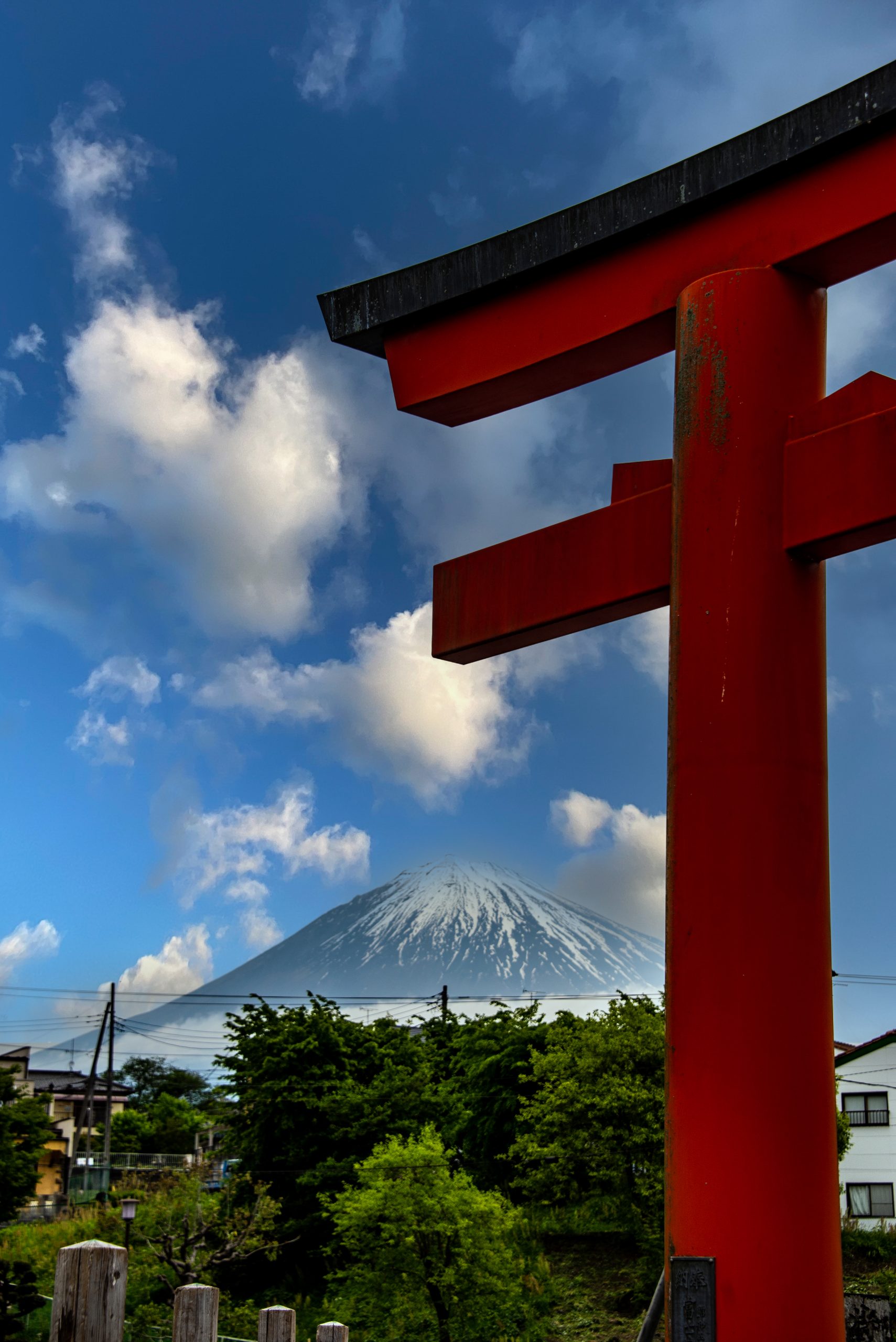
As I often do, I wandered a bit from the group and looked for non-traditional photos and angles. I turned a corner and suddenly was face-to-face with a volcano. The volcano. Fuji.
After I snapped a few safety photos, I ran back to alert the guide and guests. Here’s some of what we saw:
Fuji from Hongu Sengen Taisha Shrine
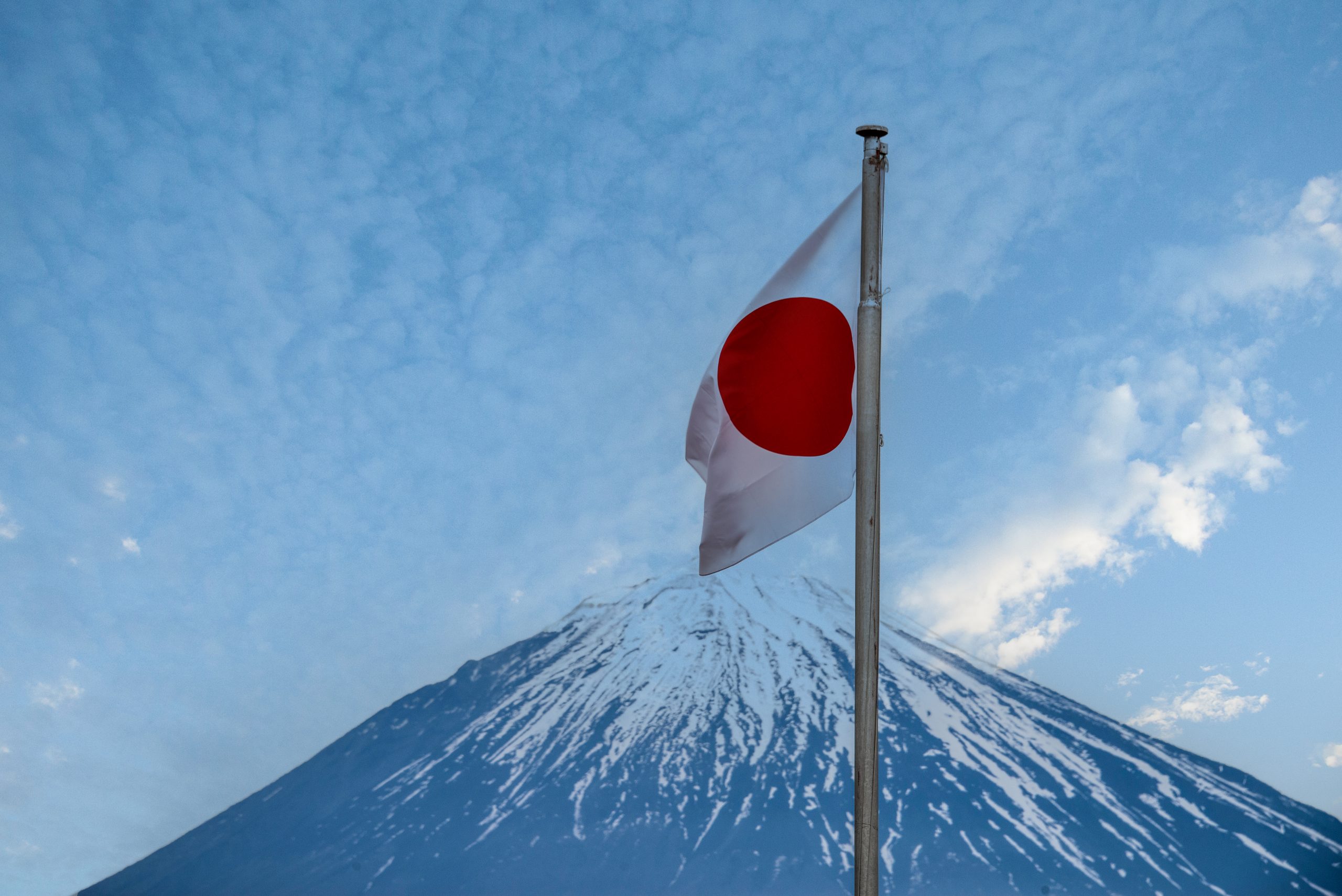
Fuji, ready for its closeup. Photos by Corey Sandler, all rights reserved.
And then, under the thesis that any worth doing is worth overdoing, we drove an hour back and then past Shimizu to visit Miho no Matsubara, a quiet seaside pine grove with a soft lava sand beach.
Once again, Fuji was elusive at first. But rounding a curve on the beach, we found the mountain once again.
Fuji from the Beach
Okinawa, A Place Apart
A few days earlier, we had called at Naha, the capital city of the prefecture of Okinawa. It includes more than 160 islands inhabited and uninhabited.
For most of its history, Okinawa had been an independent country, the capital of the Ryukyu Kingdom. It became part of Japan in 1879.
Most of the people of Okinawa speak a distinctive dialog not easily interchangeable with Japanese. Even today, many residents identify themselves not as Japanese, but as Okinawans.
When World War II, Naha and Okinawa Island were essentially invaded by the Japanese military who fortified the island and conscripted teenage boys into combat and teenage girls into nursing and other support roles.
As Allied forces advanced toward the mainlands of Japan, the outer islands became critical defensive positions. In April of 1945, four months before the end of the war, a force of mostly American Army and Marine Corps troops launched an invasion with 185,000 troops, the largest amphibious assault in the Pacific war.
The American intent was to use bases on Okinawa as staging areas for the planned invasion of Japan’s home islands about 340 miles away.
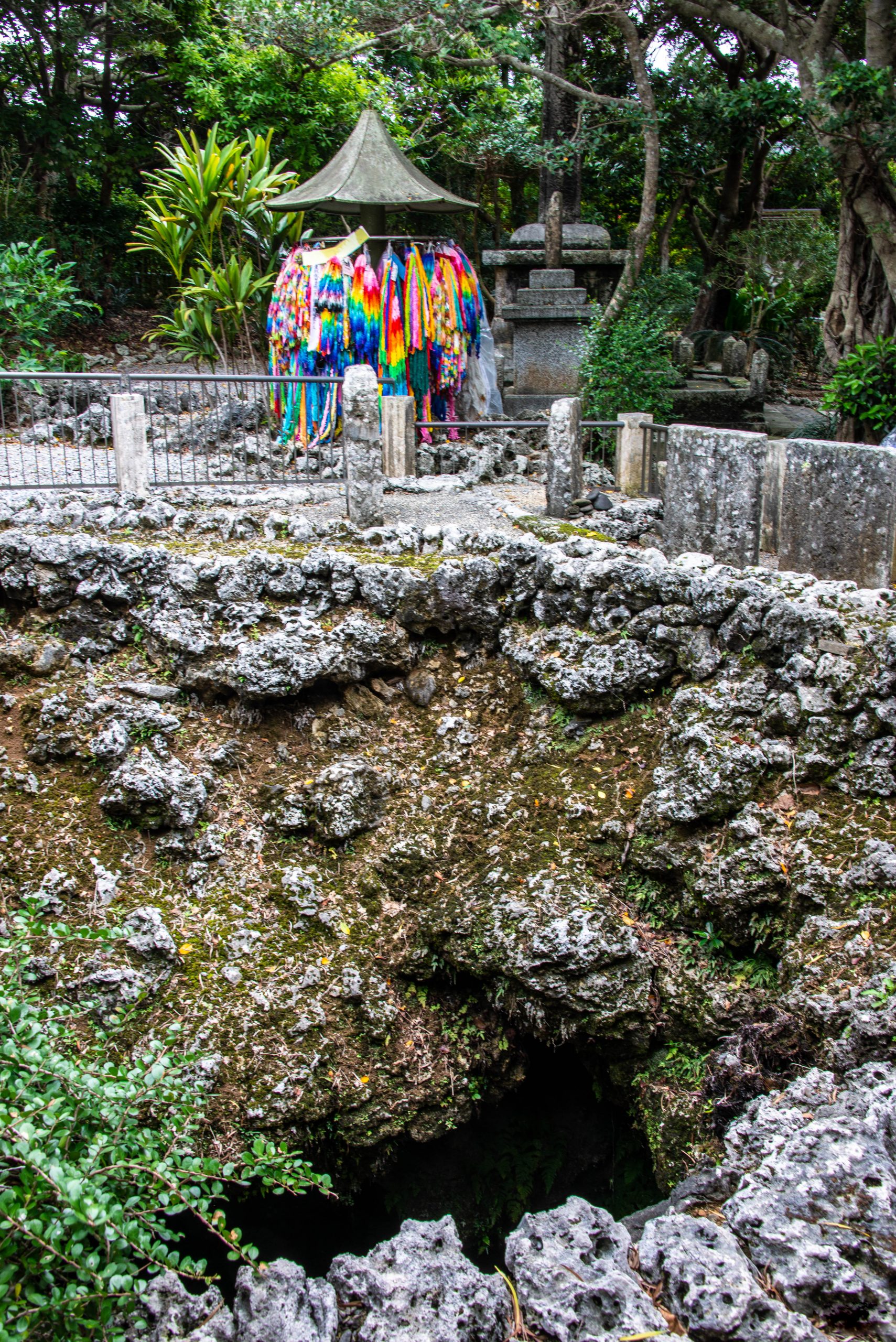
They faced fierce resistance including a retreat by many Japanese troops–and Okinawan civilians–into caves. The battle lasted 81 days.
Precise numbers are hard to come by, but one estimate says 12,500 Americans were killed or missing in action. On the Axis side, 77,166 Japanese soldiers and about 30,000 Okinawan conscripts died. And perhaps 100,000 to 150,000 Okinawan civilians were killed in the assault.
Okinawa remained under American occupation until 1972, and there are still a half dozen American military bases on the islands.
Himeyuri Peace Museum
One of the caves of Okinawa where civilians and troops died. Photo by Corey Sandler, all rights reserved.
Okinawan Naval Headquarters
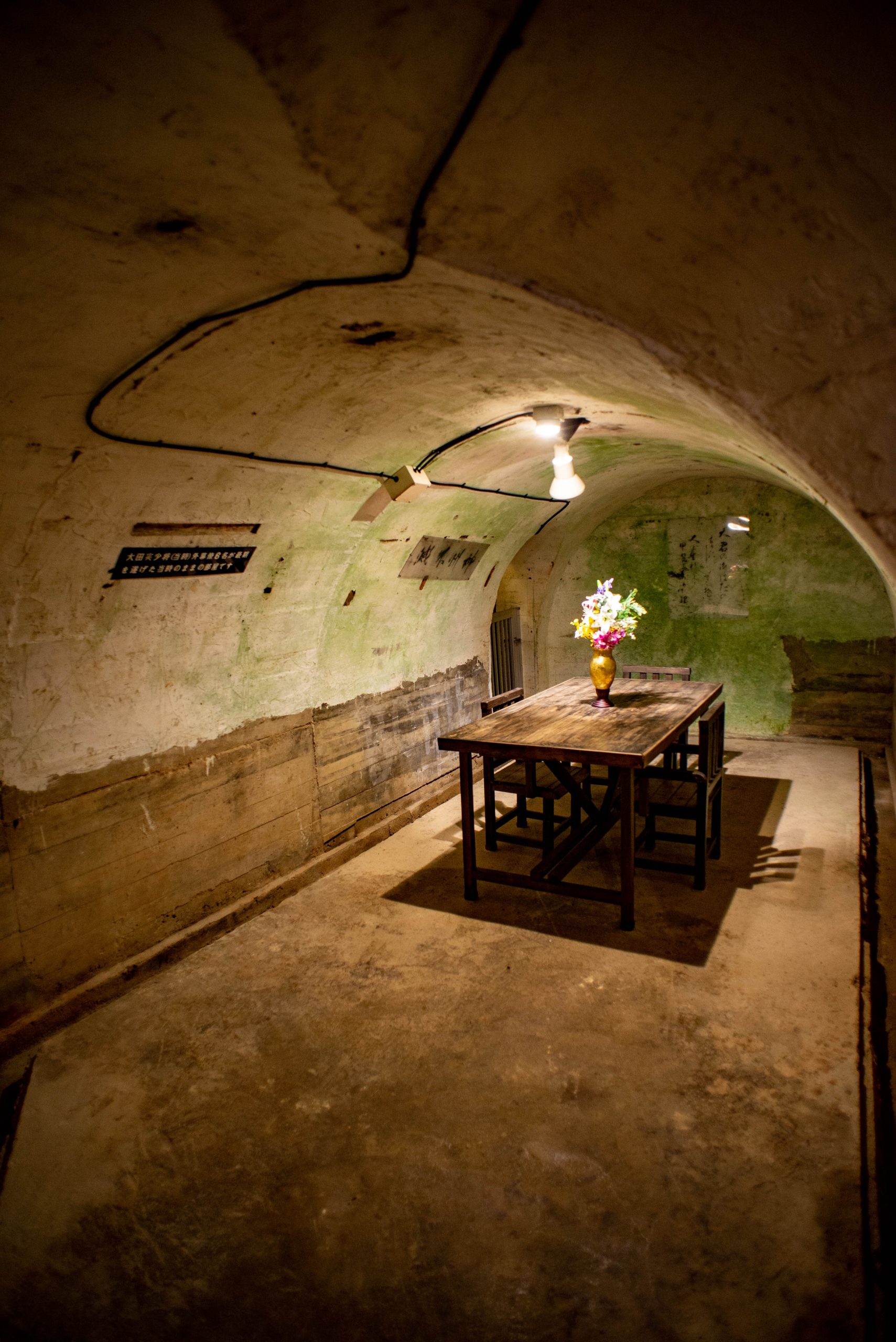
In the weeks leading up to the assault, Japanese naval authorities ordered the construction of a massive network of underground tunnels and rooms in a limestone mountain near what would be the climactic battlesite.
After decades, the rooms and tunnels were opened to visitors, frozen in time and toured mostly in silence.
A command center of the Japanese Navy dug out of a mountainside in Okinawa. Photo by Corey Sandler, all rights reserved.
Cruise’s End
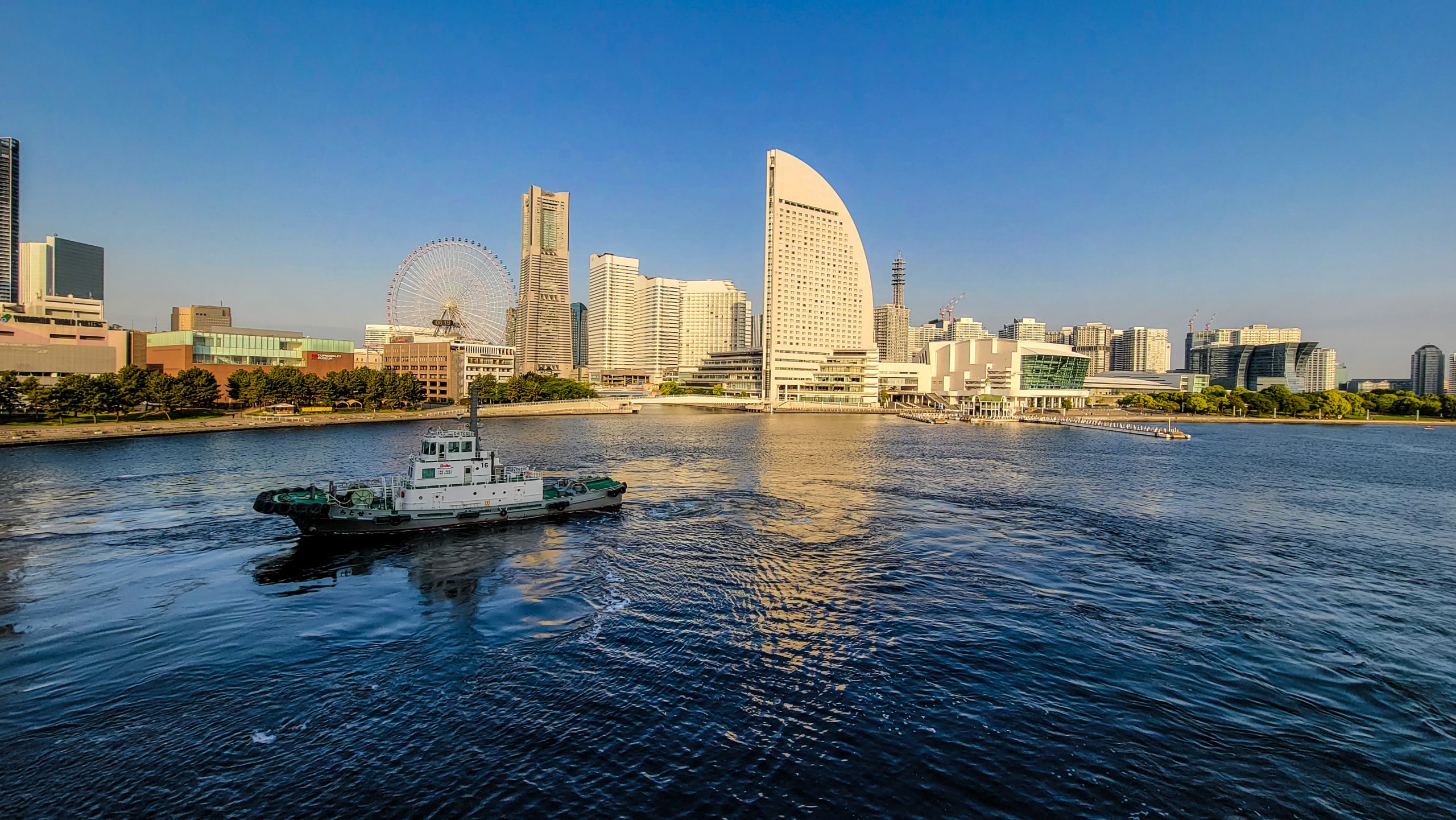
Two weeks after we started, Regent Explorer brought us to the bustling port of Yokohama on the Pacific Ocean. That day began about 6:30am and ended 27 hours later–on the same day–when our jumbo jet touched down in another great port, Boston on the Atlantic Ocean. Photo by Corey Sandler, all rights reserved.
Photos and text copyright Corey Sandler. To obtain copies or otherwise use images, please contact methrough my website at www.coreysandler.com
So we took off from Boston on a non-stop flight to Tokyo, leaving at about 1:30pm on a Sunday and landing 14 hours later at 4:15pm on a Monday. I know the science and the geography and the horological concepts well, but still…
Who knows where the time goes?
We lost a day on the calendar and 13 hours on the clock to I’m not sure where. But we did go back to something close to normalcy, a return to cruising.
This time we met up with the handsome Regent Seven Seas Explorer for a two-week partial circle of Japan and a side trip to southern South Korea. It felt great to be back at sea, and back on the stage for a series of talks on music and art and culture.
We came home last night on a day that stretched 37 hours. We left about 6:20pm on a Tuesday and landed in Boston at 5:55pm on that same day of the week. Who knows where the time goes?
The title of this blog comes from the great song by Sandy Denny of the English folk group Fairport Convention; it became famous with Judy Collins’ cover in 1968.
Across the morning sky All the birds are leaving Ah, how can they know it’s time for them to go?
I do not count the time
Who knows where the time goes? Who knows where the time goes?
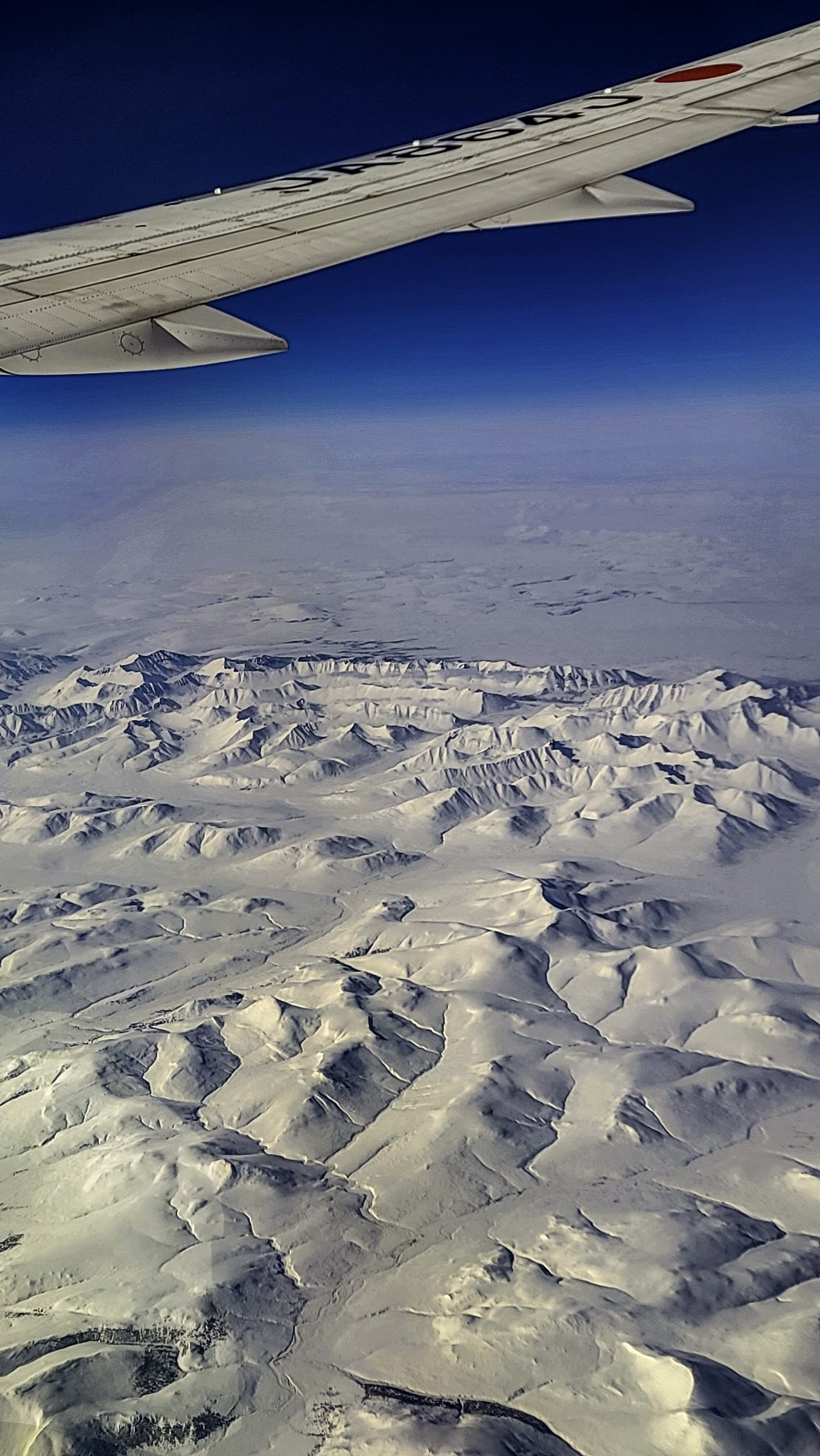
Our flight from Boston stayed ahead of the setting sun all the way, following a Great Circle Route that took us near Montreal and through northern Quebec to James Bay and Hudson Bay. I suspect I was the only person on the jumbo jet who had ever set foot in places like Moose Factory and Whampamagoostui; I spent weeks there researching my book about Henry Hudson.
After we reached subarctic Canada we crossed the empty still-snow-covered Rockies before arcing down out to sea from Siberia and into Tokyo.
Westward Across Frozen Canada
The Rockies of Western Canada from 37,000 feet. Photo by Corey Sandler, all rights reserved
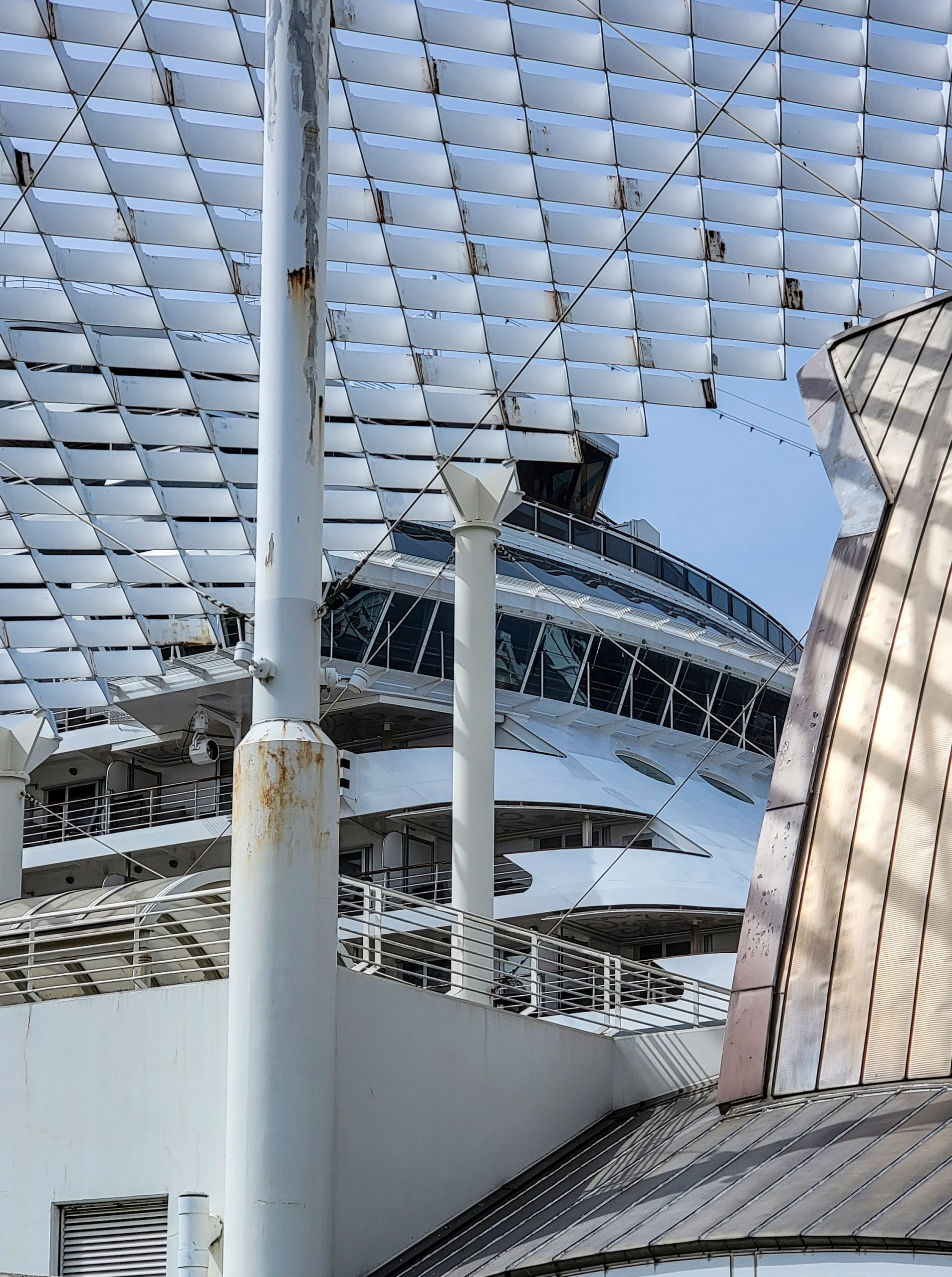
There is a Ship
Regent Seven Seas Explorer at the dock in Kobe, Japan. Photo by Corey Sandler, all rights reserved.
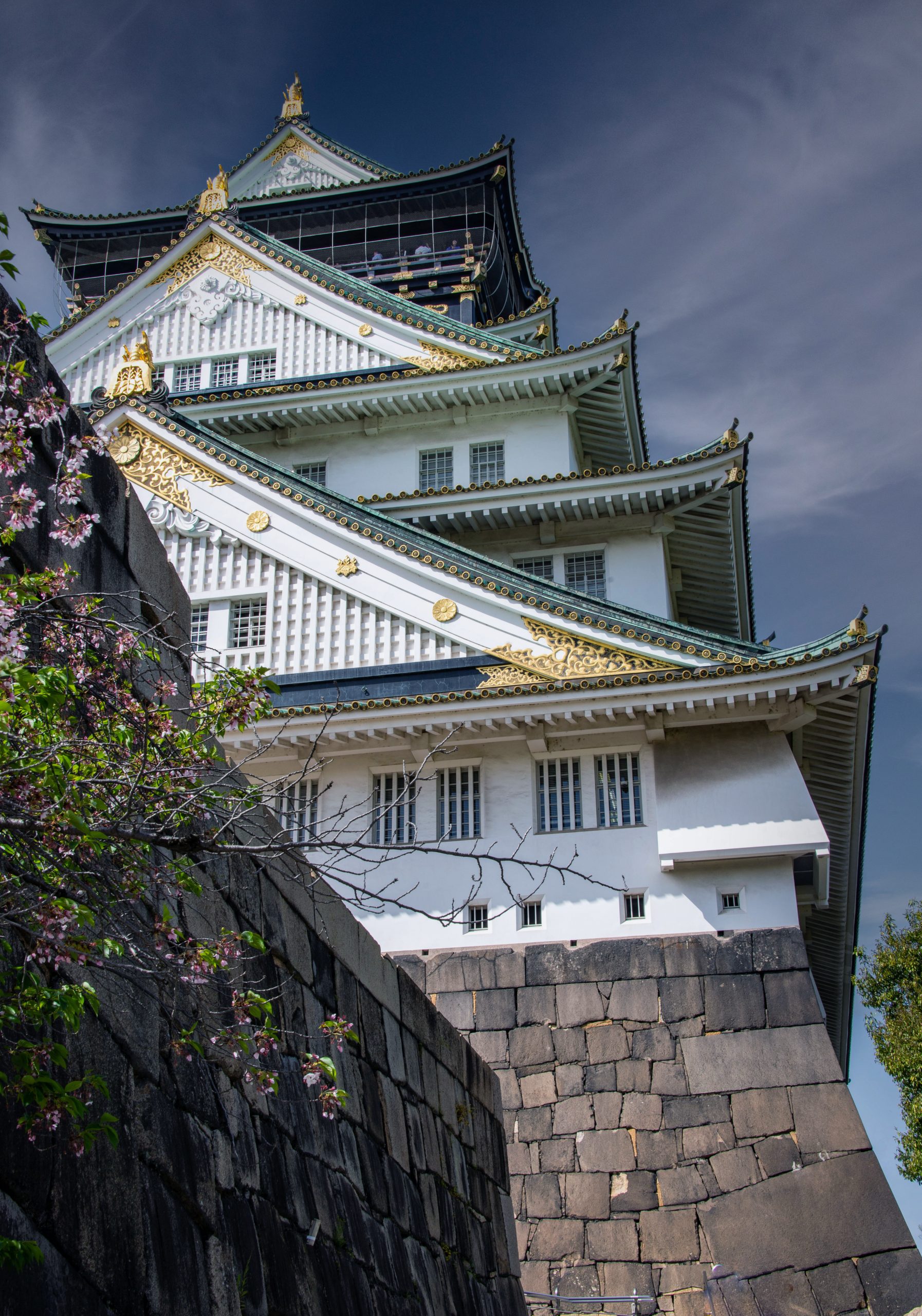
Osaka Castle
Osaka Castle dates, in its original form, to about 1615. The structure, heavily damaged in World War II, was rebuilt as the pride of the city. Photo by Corey Sandler, all rights reserved.Photo by Corey Sandler, all rights reserved.
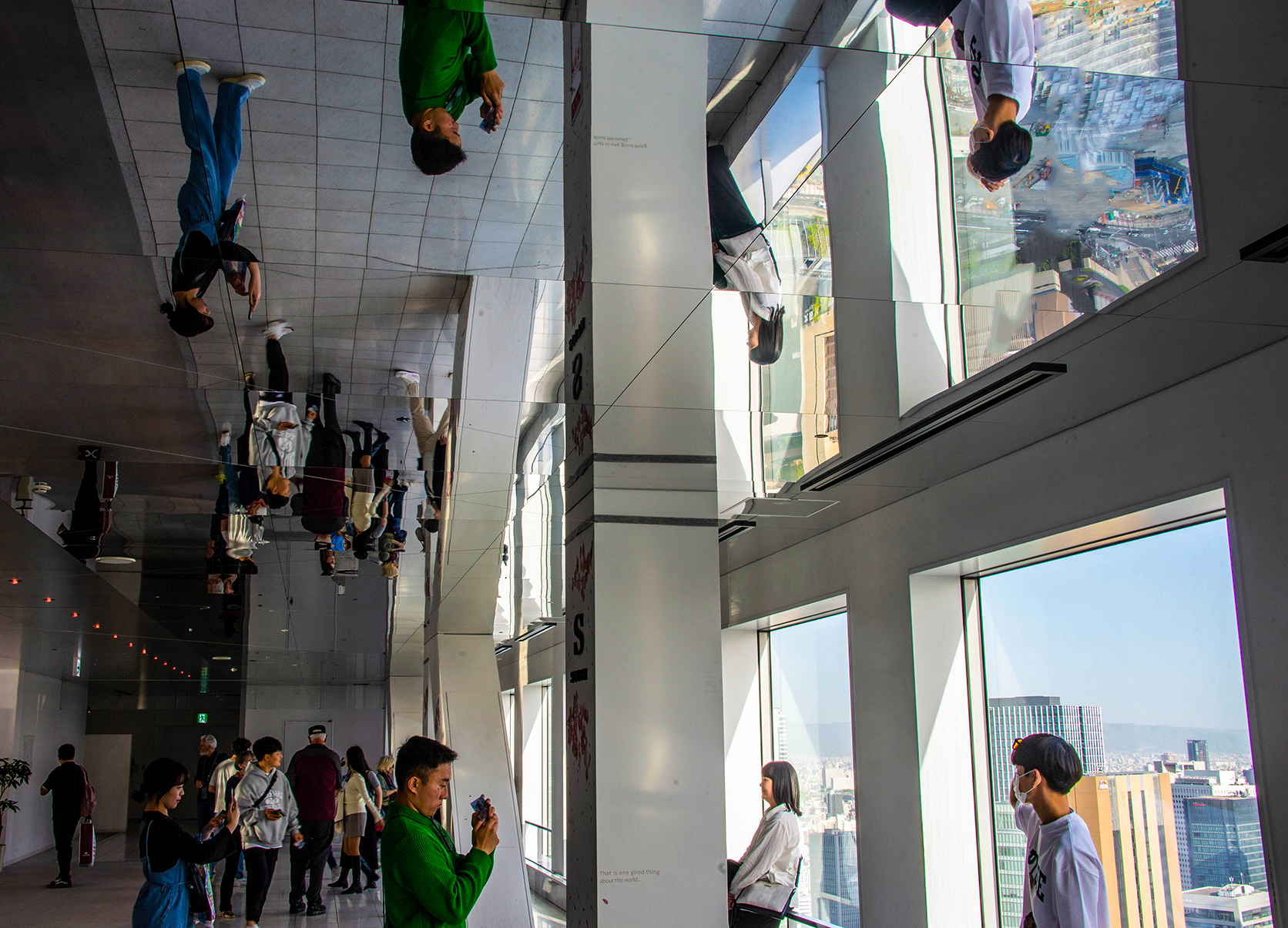
Umeda Sky Building, Osaka
The very modern Umeda Sky Building in Osaka includes a glass walled elevator that leads to a glass-tube escalator that ends at an extraordinary observatory with a mirrored ceiling. If this place does not give you vertigo, you are immune to that sensation. Photo by Corey Sandler, all rights reserved.
The Kanmon Strait
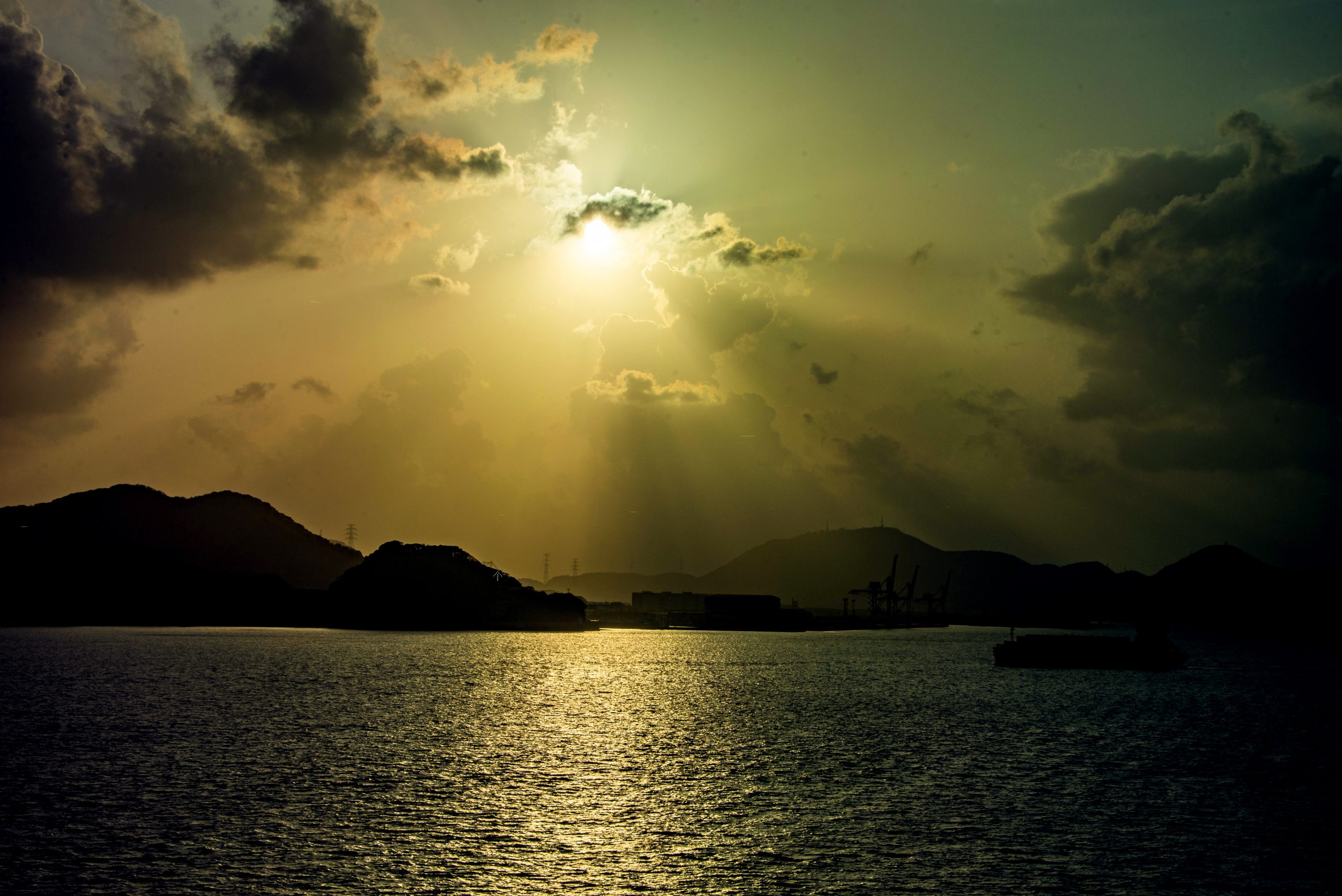
Heading for Busan, South Korea, we passed through the narrow Kanmon Strait which separates Honshu and Kyushu, two of Japan’s four main islands. Photo by Corey Sandler, all rights reserved.
Hot Foot, Cool Customers in Busan
Thoughts of Peace in a Place of War
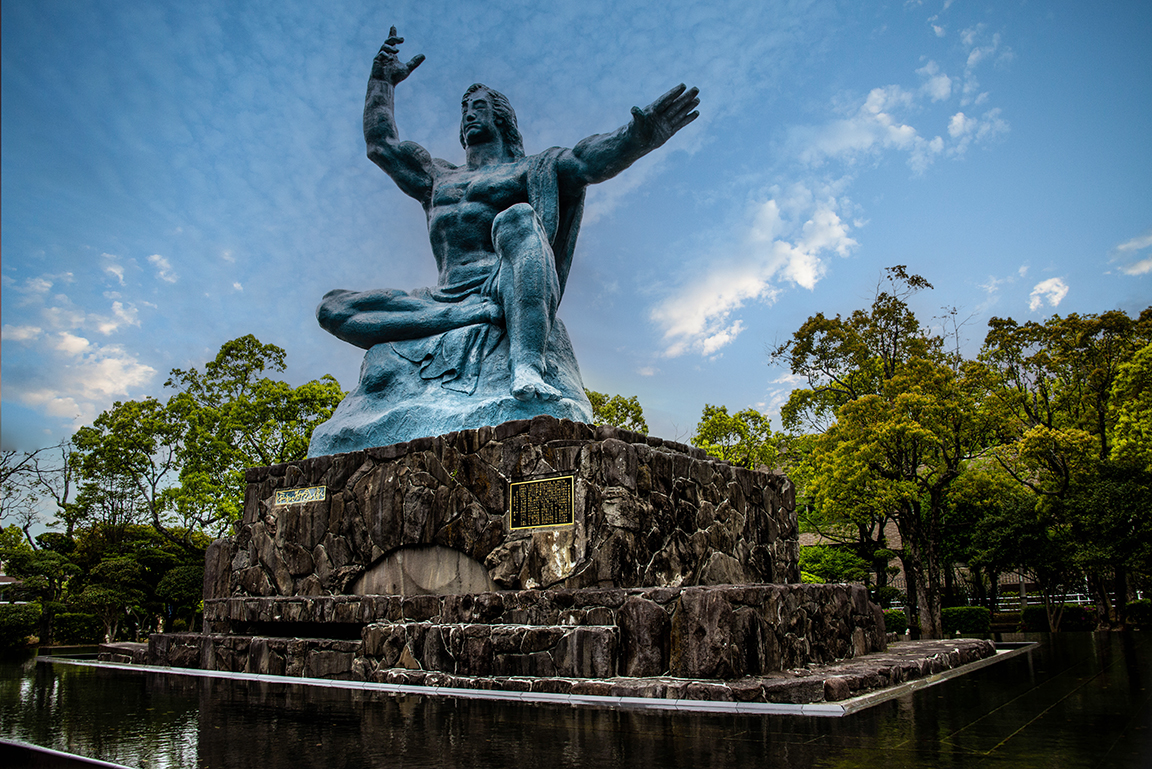
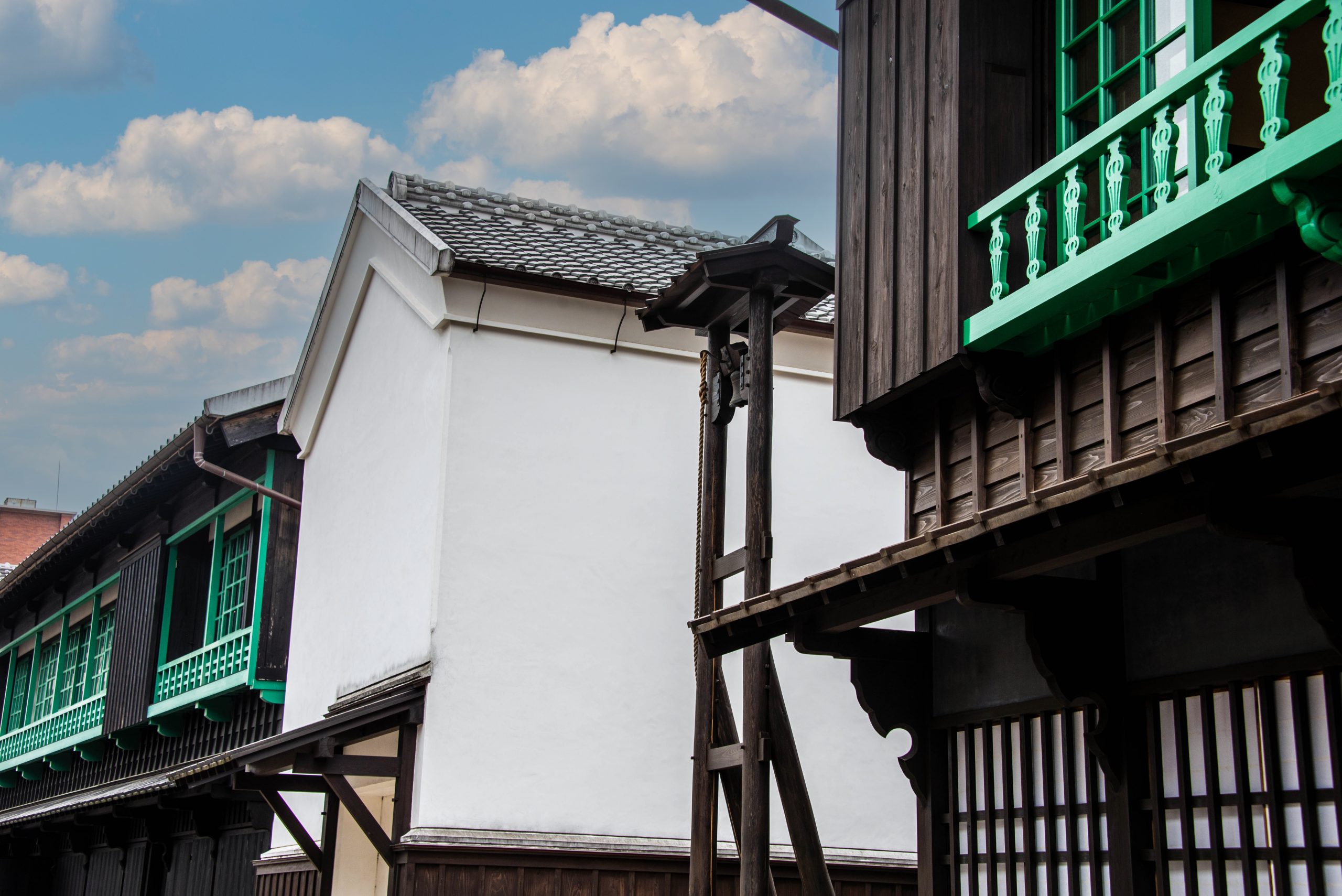
The Peace Park in Nagasaki, site of the second atomic bomb attack of World War II. Photo by Corey Sandler, all rights reservedThe reconstructed Deijima trading post from the early 17th century in Nagasaki. Dutch and other traders setup shop here on an island kept distant from the locals.
I’ll share some more photos next month.
Photos and text copyright Corey Sandler. To obtain copies or otherwise use images, please contact methrough my website at www.coreysandler.com
As April begins, I’m still on dry land for a while, looking for signs.
Is that a new ship on the horizon? Watch this space.
Meanwhile, we have moved into spring, after an almost snowless winter in the American northeast, which is just plain wrong. It portends a long, hot summer, which is something of which I am not fond,
I reached into my digital closet to find some memories of hot times around the world.
Hot, hot, hot
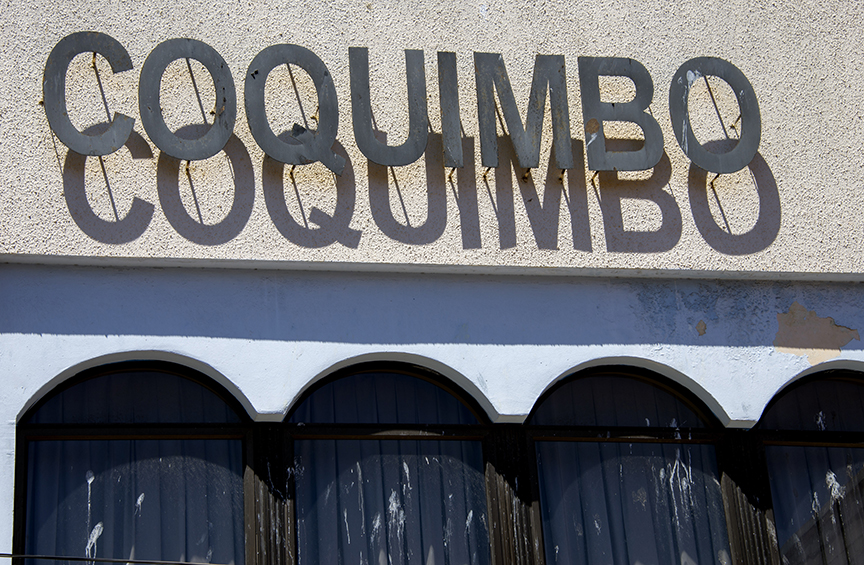
Coquimbo, Chile is a hot, humid place with little shade. I took this picture of the sign at our ship’s dock as I lunged for a breath of cooled air aboard. Photo by Corey Sandler, all rights reserved.
Cool, Baby (Even When It is Hot)
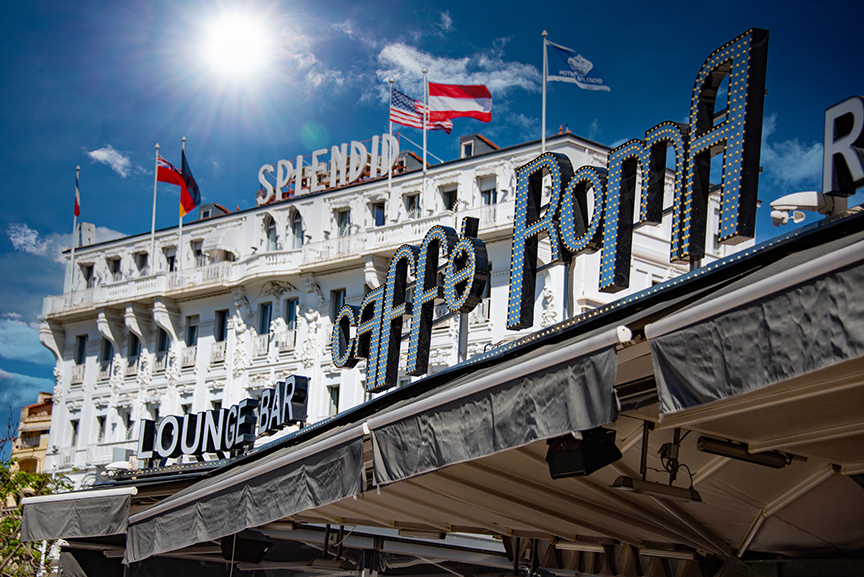
Cannes, the chic capital of the French Riviera, is a Disneyland for the rich and famous who gather to gawk at each other and pretend to ignore those who come to see them strut. Photo by Corey Sandler.
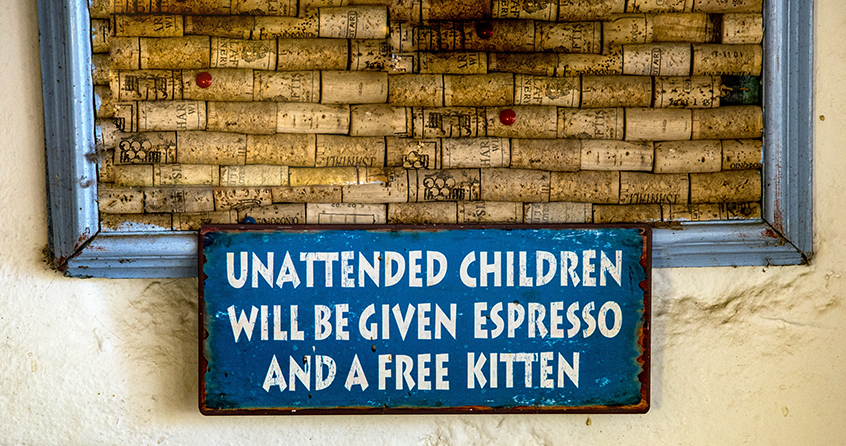
Mind Your Children
A tavern owner on Patmos in Greece makes a point. Photo by Corey Sandler, all rights reserved.
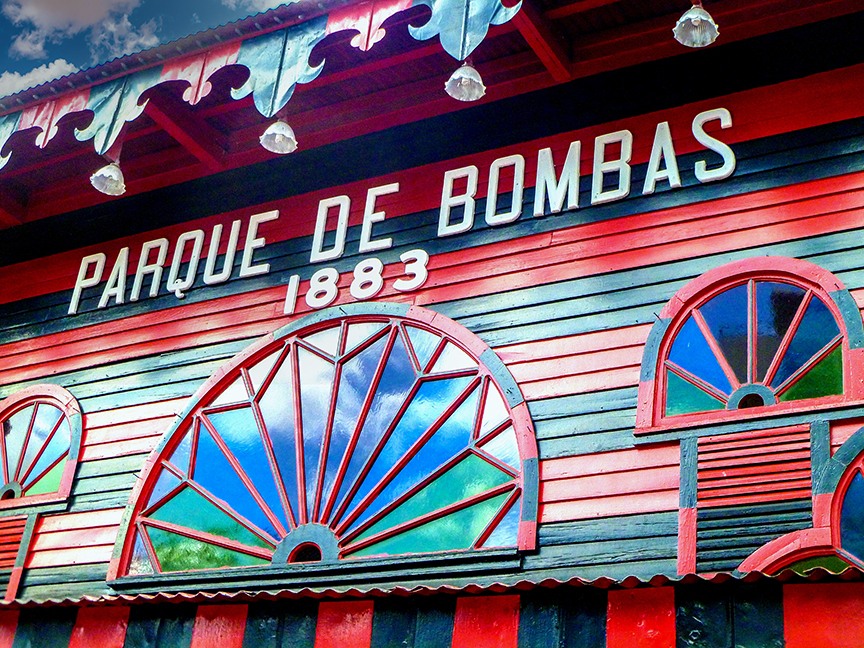
The Moorish Gothic Firehouse of Ponce
One of the signature structures of Puerto Rico, the Parque de Bombas was built in 1892 by the Spanish government for an international exhibition in Ponce, the island’s second city. After the fair it was converted into a firehouse, a role it held until 1990. The Municipal Band plays concerts there every Sunday. Photo by Corey Sandler, all rights reserved.
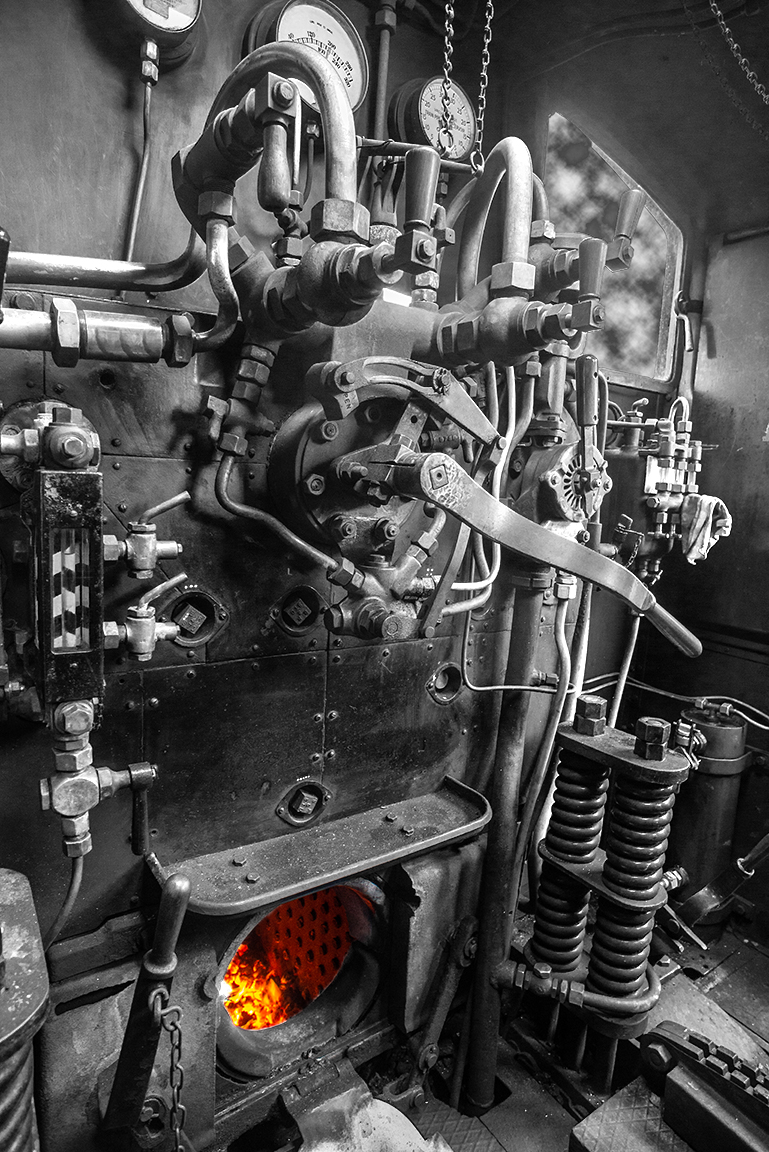
The Fire Box
The firebox of a working steam engine on the Bodmin & Wenford Railroad in Fowey, Cornwall. Photo by Corey Sandler
Photos and text copyright Corey Sandler. To obtain copies or otherwise use images, please contact methrough my website at www.coreysandler.com
It’s the heart of winter in the American northeast, and as much as I enjoy snow and crisp, cold mornings I also sometimes allow myself to dream of summer. So I have dipped into my collection from warmer climes of days past and to come.
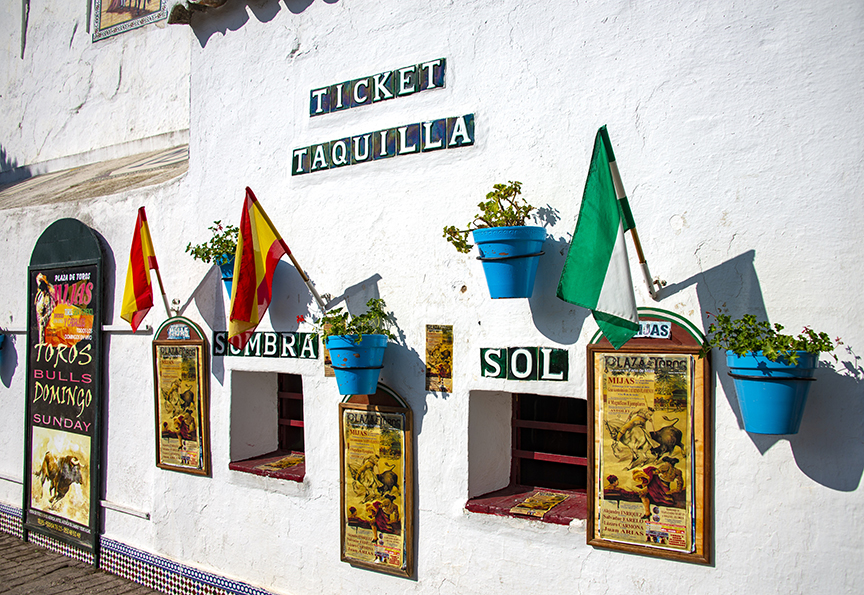
Sun or Shade, Senor?
The taquilla at the bull ring in Mijas, Spain offers seats in sombra or sol, although there is not much difference when the sun is at high noon. Photo by Corey Sandler, all rights reserved.
Polynesian Paradise
Much-traveled artist Paul Gauguin came to the end of his life in Calvary Cemetery in Altuona on Hiva Oa in the Marquesas Islands of French Polynesia. Nearby is the grave of another great artist, the poet, songwriter, and singer Jacques Brel, who died in France but whose body was brought back to buried near his final home on Hiva Oa. Photo by Corey Sandler, all rights reserved.
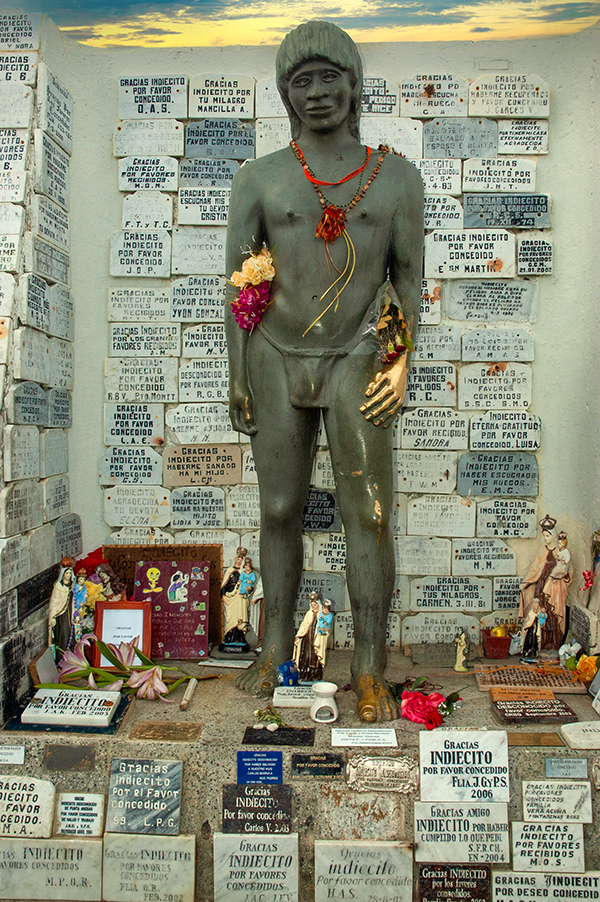
Forget-Me-Not
The sprawling Sara Braun Municipal Cemetery in Punta Arenas, Chile near the bottom of South America includes thousands of photos and mementos of the dead. The plaques at this well-worn statue offer thanks to the “Indiecito” or “little Indian” for favors received.This highly local recognition is offered in homage to the story of an “unknown Indian” found in the wreckage of a doomed schooner in Patagonia in 1929. The story and the statue are not officially recognized by the Catholic church, but the odd devotion continues. Photo by Corey Sandler, all rights reserved.
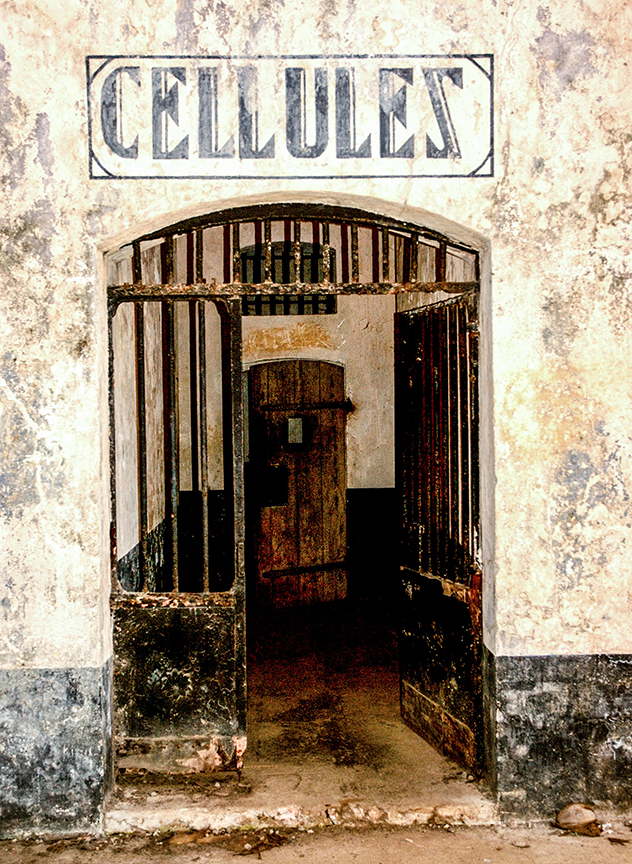
Rooms with No View
Devil’s Island and the other islets of the French penal colony off the east coast of South America are among the most evocative places I’ve visited. The story of Papillon and Alfred Dreyfuss come to life in this tropical hell. And I yet I come back time and again to absorb a bit more. Photo by Corey Sandler, all rights reserved.
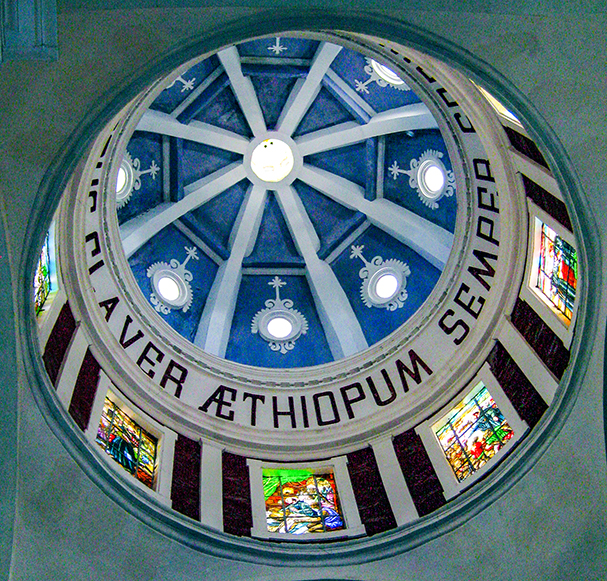
The Slave of the Slaves
The Church of San Pedro Claver is named for a Spanish monk known as “El Esclavo de esclavos”, the “Slave of Slaves.” Claver devoted his life to the slaves brought to Cartagena, Colombia even begging in the streets. His story humanizes the slave trade in a different way than most histories of that sad commerce. Photo by Corey Sandler, all rights reserved.
Photos and text copyright Corey Sandler. To obtain copies or otherwise use images, please contact methrough my website at www.coreysandler.com